Govt Shutdown Deepens on Day 3 Amid Obamacare Clash
The federal government has now entered its third consecutive day of shutdown, and the situation shows no clear resolution. As Friday approaches, the Senate prepares to once again vote on competing proposals, but the political divide between Republicans and Democrats remains as sharp as ever. For citizens, workers, and businesses, the reality is becoming harsher: when the Govt Shutdown deepens, the consequences ripple across the entire country.
Why the Govt Shutdown Deepens
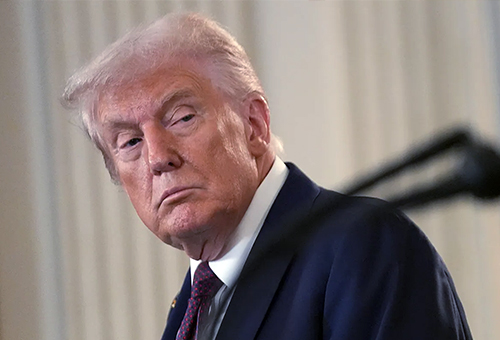
At the core of this standoff is a disagreement over funding and healthcare. Republicans, backed by former President Donald Trump, are pushing for a short-term funding resolution (CR) that delays action on expiring Obamacare subsidies until later in the year. On the other hand, Democrats, led by Senate Minority Leader Chuck Schumer, insist that the subsidies must be addressed now before any deal to reopen the government can move forward.
On Thursday, the Senate floor was open for less than three hours, with very little legislative activity. Yom Kippur observance meant that many lawmakers were not even present, further stalling the process. By Friday, both parties are expected to vote again on their respective bills, but the outlook remains grim.
The Political Divide
- Republicans’ Position: Pass their continuing resolution, extend government funding, and address Obamacare subsidies later (by November 21 or November 1).
- Democrats’ Position: Tie any funding bill to immediate action on subsidies, ensuring healthcare support continues without delay.
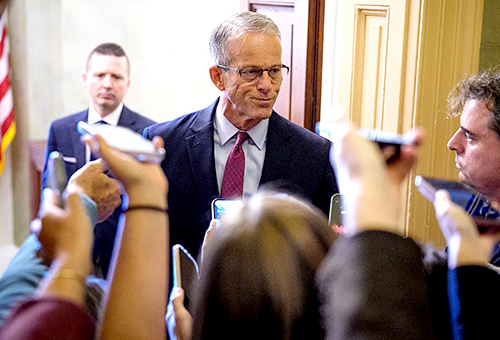
Senate Majority Leader John Thune suggested he won’t keep lawmakers in Washington over the weekend if the House GOP bill fails for a fourth time. This signals that political patience is running thin, even as bipartisan conversations happen quietly behind the scenes.
Key Statements from Senators
- Elizabeth Warren (D-Mass.): Warned that cutting subsidies will worsen an already struggling healthcare system.
- Roger Marshall (R-Kan.): Called the crisis a “Democrat shutdown,” accusing Schumer of playing political games.
- Amy Klobuchar (D-Minn.): Stated that Republicans are not working toward a bipartisan solution and emphasized that the President seems to be the final decision-maker.
These comments highlight how the Govt Shutdown deepens not only financially but also politically, with both sides locked in a battle for public perception.
Impact of the Shutdown
Every time the federal government shuts down, the consequences extend beyond Capitol Hill. Essential workers are forced to work without pay, federal employees face furloughs, and agencies such as the IRS, TSA, and National Parks suffer operational slowdowns. Citizens, too, feel the effects, from delayed benefits to disrupted services.
Below is a quick look at how the ongoing shutdown is affecting different areas:
| Sector | Impact of Shutdown |
|---|---|
| Federal Workers | Furloughs, unpaid work for essential employees |
| Healthcare | Uncertainty over Obamacare subsidies and open enrollment |
| Economy | Delays in federal contracts, slowed economic activity |
| Public Services | IRS, TSA, and federal offices limited in operations |
| Politics | Increased partisan blame game and reduced public trust |
Why This Matters
The phrase “Govt Shutdown Deepens” is not just a headline—it reflects the growing frustration of the American people. Each day without resolution adds pressure to ordinary lives, businesses, and the country’s international reputation. Healthcare subsidies are just one part of the broader picture, but they symbolize how partisan politics can gridlock essential services.
Possible Paths Forward
Despite the deadlock, a few compromise ideas are floating in Washington:
- Shorter-term CR – lasting until November 1, aligning with open-enrollment for Obamacare.
- Medium-term CR – lasting until November 21, giving time for deeper negotiations.
- Bipartisan Agreement – combining Republican funding goals with Democratic healthcare protections.
Still, as many lawmakers admit, the final decision could rest with President Trump, whose influence continues to shape GOP strategy.
Public Sentiment
Across the nation, citizens are growing increasingly impatient. Social media reactions, protests, and opinion polls suggest that the public wants a solution, not more political gridlock. People are less interested in partisan blame and more concerned about how long they can withstand the consequences.
Conclusion
As the Govt Shutdown deepens into its third day, the path to reopening remains uncertain. Republicans and Democrats are locked in a high-stakes battle over healthcare subsidies and funding priorities. While bipartisan talks are beginning, there is little sign of immediate relief.
For Americans, the shutdown is not an abstract political fight—it is a daily disruption. Until leaders on both sides prioritize governance over political point-scoring, the costs will continue to rise.
The coming days are crucial. If negotiations fail again, the shutdown could extend further, deepening not just the political divide but also the economic and social strain across the country.
Keyword focus: Govt Shutdown Deepens


Pingback: Israel Blocks 5th Gaza Flotilla Boat – What’s Next?
Pingback: Pak Kashmir Unrest 5 Deadly Clashes, Calm Ahead?