Govt Faces Heated NA Clash Over Fuel Costs with 4 Key Past Deals
Govt Faces Heated Debate in NA Over Fuel Prices and Economic Policies
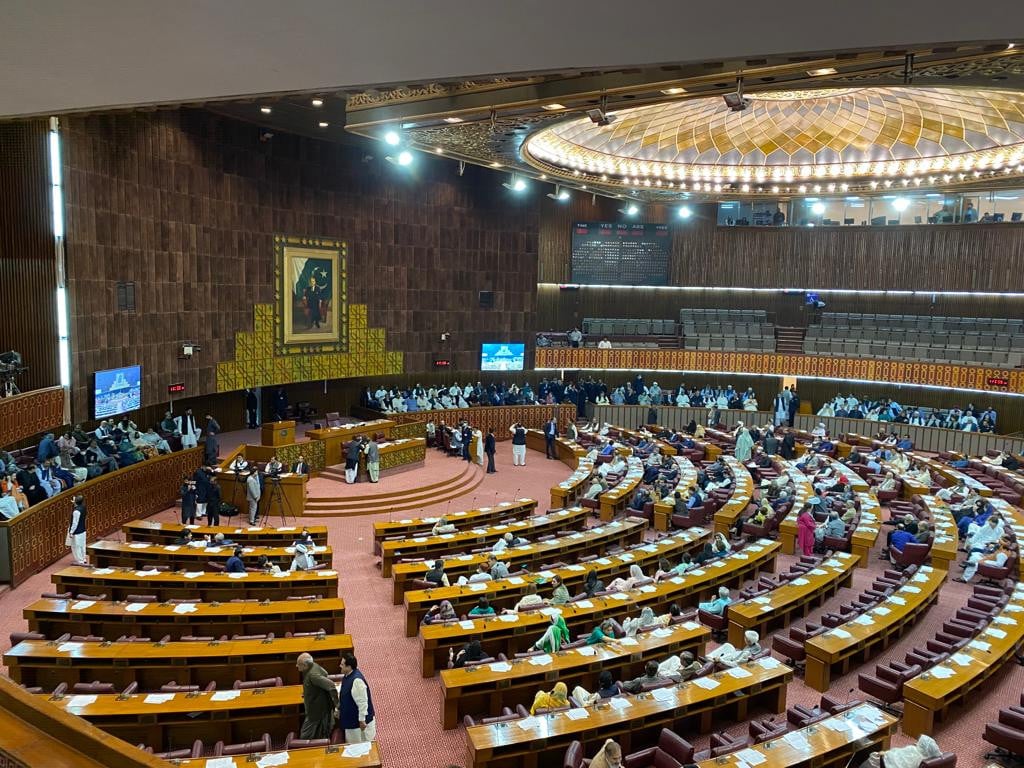
The political temperature in Islamabad rose sharply as the National Assembly witnessed a second consecutive day of intense discussions on rising petroleum prices. The Govt Faces Heated criticism from both treasury and opposition benches, as lawmakers clashed over economic management, taxation, and the growing burden on the public.
The session, chaired by Speaker Sardar Ayaz Sadiq, began on a solemn note with prayers for victims of recent terrorist incidents in Bannu and other regions. However, the mood quickly shifted as members moved into debates that exposed deep divisions over fuel pricing and governance.
Energy Policies Under Scrutiny
One of the key highlights of the session was a calling attention notice raised by PPP leader Naveed Qamar regarding changes in net metering policies and taxation on solar panels. He questioned why the government appeared to be discouraging green energy at a time when electricity prices remain high.
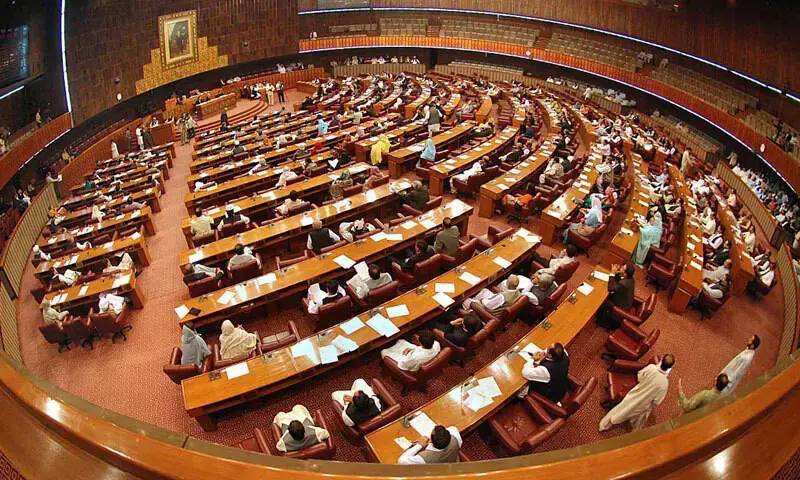
As the discussion unfolded, the Govt Faces Heated questions about its long-term energy strategy. Defence Minister Khawaja Asif responded by explaining that the government was trying to maintain a “delicate balance” in the energy sector. He pointed out that agreements signed over the past 35 years had limited the government’s ability to make immediate changes.
These contracts, particularly those involving capacity payments, continue to put financial pressure on the system. Despite this, officials claimed that efforts were underway to renegotiate terms and create some flexibility.
Push for Clean Energy Continues
Minister of State for Energy Shaza Fatima Khawaja assured lawmakers that Pakistan is gradually moving towards cleaner energy sources. She emphasized that reliance on imported coal is being reduced and replaced with local alternatives.
However, the Govt Faces Heated criticism as opposition members argued that taxing solar panels sends the wrong signal. At a time when renewable energy adoption is crucial, such policies could discourage investment and slow down progress.
The government maintained that net metering still benefits consumers and that solar energy remains part of the country’s future plans. Yet, doubts persist among lawmakers and industry experts.
Rising Fuel Prices Spark Outrage
The debate over petroleum prices dominated much of the session. PPP’s Sharmila Faruqui strongly criticized the government, calling its fuel pricing policy inconsistent and harmful to the public.
As inflation continues to rise, the Govt Faces Heated backlash for repeated price hikes. Lawmakers argued that heavy taxes on petrol and diesel are directly contributing to the increasing cost of living.
MNA Noor Alam Khan highlighted the impact on farmers, stating that higher diesel prices are making wheat harvesting more expensive. This, in turn, could affect food prices and worsen economic conditions for ordinary citizens.
Questions Over Policy Transparency
Opposition member Junaid Akbar Khan raised concerns about the timing of new petroleum prices. He questioned why revised rates were implemented while older, cheaper stock was still available.
This issue further intensified the debate, and once again the Govt Faces Heated criticism over transparency and fairness. Lawmakers also accused the ruling elite of enjoying luxury lifestyles while ordinary citizens struggle with rising costs.
Aliya Kamran pointed out a significant revenue shortfall of Rs430 billion in the previous fiscal year. She argued that petroleum price increases were being used as a tool to bridge this gap, placing additional pressure on the public.
Government’s Defense and Economic Measures
Responding to the criticism, Minister of State Bilal Azhar Kayani defended the government’s approach. He stated that maintaining the primary balance is essential for economic stability.
Despite the challenges, he claimed that the government had taken steps to reduce the burden on citizens. For example, the petroleum levy was reduced by up to Rs80, and the levy on diesel was brought down to zero.
Still, the Govt Faces Heated skepticism, as many lawmakers believe these measures are not enough to offset the overall impact of rising prices. Kayani also highlighted efforts to expand the tax net through digital invoicing in sectors like cement, tobacco, and sugar.
Calls for Austerity and Accountability
MNA Atif Khan criticized the lack of speaking opportunities for opposition members and called for austerity measures. He suggested that senior officials should use commercial flights instead of private aircraft until fuel prices stabilize.
Meanwhile, Mirza Ikhtiar Baig argued that sudden increases in oil prices benefit companies while ordinary citizens bear the burden. His remarks added to the growing narrative that the Govt Faces Heated criticism for prioritizing revenue over relief.
Political Tensions and National Unity
Leader of the Opposition Mahmood Khan Achakzai took a broader view, calling for reduced political tensions and greater national unity. He emphasized the need for a national government to address the country’s challenges collectively.
According to him, the current system is struggling, and only a unified approach can restore stability. Yet even on this front, the Govt Faces Heated debate, as political divisions remain deep.
He also highlighted the importance of improving relations with neighboring countries, including Afghanistan, and maintaining a balanced relationship between political and military leadership.
Controversy Over Aircraft Purchase
Another issue that sparked outrage was the reported purchase of an aircraft worth Rs11 billion for the Punjab chief minister. Opposition members questioned the timing of such an expenditure, given the country’s economic difficulties.
This controversy further fueled the perception that the Govt Faces Heated criticism not just for policy decisions but also for its spending priorities.
Final Thoughts
The National Assembly session made one thing clear: the Govt Faces Heated scrutiny on multiple fronts, from fuel prices and energy policies to governance and accountability. While the government has defended its actions, the opposition remains unconvinced.
As economic pressures continue to mount, the need for transparent policies and effective solutions becomes more urgent. The coming weeks will be crucial in determining whether the government can address these concerns or if the political heat will continue to rise.
In the end, the debate is not just about fuel prices—it’s about trust, leadership, and the future direction of the country.