
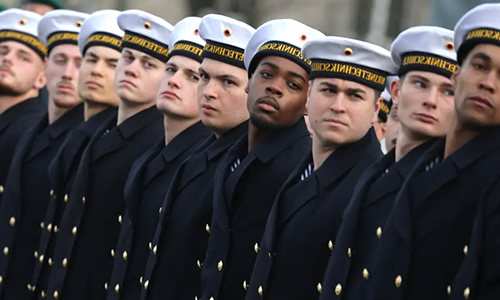
Germany unveils bold military service plan to sharply boost troops
Germany Unveils Bold Military Plan as Conscription Debate Returns
After months of internal debate and political pushback, Germany unveils bold military service reforms aimed at lifting troop numbers and reshaping the country’s defence posture. The agreement marks one of Berlin’s biggest security shifts since the end of the Cold War. At the heart of the plan is a renewed expectation that young Germans will once again play an active role in national defence, a move that has triggered both strong support and intense criticism across the country.
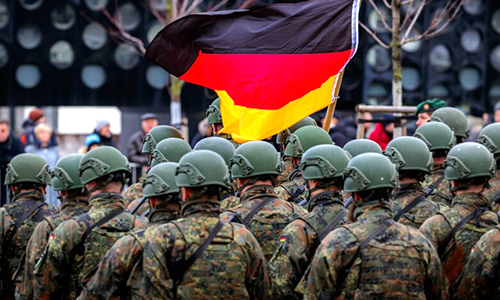
How the Plan Works
Under the new arrangement, all men turning 18 will receive a mandatory questionnaire beginning next year. The form will assess their suitability and interest in military service. Women will receive the same questionnaire, but for them it will stay voluntary. And from 2027, all men will also undergo a medical screening to evaluate their fitness for duty.
This step is one of several major changes introduced as Germany unveils bold military restructuring and aims to strengthen its armed forces. The government believes the reforms could quickly increase the Bundeswehr’s numbers, improve readiness, and bring Germany closer to its long-promised NATO responsibilities.
Aiming for Europe’s Strongest Conventional Army
Chancellor Friedrich Merz has stated openly that Berlin’s goal is to build Europe’s strongest conventional army. Many believed this was political rhetoric, but when Germany unveils bold military reform packages of this scale, the intention becomes clearer. Armin Papperger, CEO of Rheinmetall — Germany’s largest defence manufacturer — said in a BBC interview that the goal is “realistic” and achievable within five years.
His confidence comes at a time when NATO officials are warning that the alliance must prepare for potential threats, especially from Russia. Earlier this year, Germany’s defence chief, General Carsten Breuer, cautioned that Europe should be ready for a possible Russian attack within four years. It is against this backdrop that Germany unveils bold military changes designed to boost deterrence and reassure allies.
A New Path After Years of Decline
For decades, German defence spending lagged behind NATO expectations. Conscription was suspended in 2011, and troop numbers fell. But Russia’s invasion of Ukraine in 2022 changed the political mood dramatically. The government now argues that stronger armed forces reduce the chances of Germany ever becoming directly involved in a conflict.
Defence Minister Boris Pistorius tried to calm the public, insisting the move does not mean war is imminent. He argued that “the more capable our armed forces are, the less likely it is that we will be pulled into any conflict.” Statements like these underline why Germany unveils bold military service reforms as part of a broader security reset rather than an aggressive expansion.
How Many New Soldiers Does Germany Want?
The Bundeswehr currently has around 182,000 active soldiers. Under the new plan, the government hopes to add another 20,000 in just one year. Over the next decade, the target rises to between 255,000 and 260,000 troops — plus nearly 200,000 reservists.
Achieving these numbers is one reason Germany unveils bold military measures that combine voluntary and mandatory elements. The questionnaire is mandatory for men, but actual enlistment begins voluntarily. However, if the goals aren’t met, lawmakers have the option to introduce compulsory enlistment after debating it in parliament.
A Deep Divide Among Young Germans
Reintroducing military service has sparked strong reactions, especially among young people. Many oppose the idea, arguing that the government is exaggerating the threat to justify limiting personal freedom.
A recent Forsa poll shows that while slightly more than half of Germans support compulsory service, 63% of people aged 18 to 29 oppose it. At a recent protest outside the Bundestag, 17-year-old Jimi summed up the fears of many young Germans:
“I don’t want to go to war because I don’t want to die. I also don’t want to shoot people.”
He argued that talk of a possible attack on Germany feels “unlikely and abstract,” and accused the government of using fear to “steal young people’s right to choose their own path.”
Yet not everyone shares this view. Jason, a 21-year-old who joined the Bundeswehr earlier this year, said he enlisted because of “the current security situation.”
“I wanted to defend peace, defend democracy, and contribute to society,” he said.
His perspective reflects the other side of the debate, where Germany unveils bold military reforms seen as necessary steps in an unstable world.
Political Battles Behind the Scenes
The reform was far from easy. When the governing coalition was formed earlier this year between the conservative CDU/CSU and the centre-left SPD, both sides acknowledged the need to restore military service, but only “voluntarily at first.” Months of negotiation followed, with disputes on budgeting, civilian options, and the degree of compulsion.
The final agreement represents a compromise — one that tries to boost numbers without immediately imposing full conscription. Still, as Germany unveils bold military plans, critics inside parliament, especially from the political left, warn that mandatory service could become a slippery slope.
Industry and the Business of Defence
The shift in policy has brought economic consequences as well. Rheinmetall, the major defence firm supplying Germany and Ukraine, has seen revenues rise sharply. Its CEO, Papperger, admitted:
“We make a lot of money because there is a huge demand.”
He said the company is now expanding in areas like vehicles, ammunition, artificial intelligence, electronics, and satellite technology — all fields where Germany unveils bold military investments signalling a long-term commitment to defence modernization.
A report last year even claimed Papperger was the target of a Russian assassination plot, though it was never confirmed. He dismissed speculation, saying simply, “I feel safe.”
Why This Matters for Europe
The new military service plan is not only about Germany. NATO has been urging European allies to raise defence spending for years. Pressure has grown under President Donald Trump’s White House, which insists Europe must carry more of the security load.
As Germany unveils bold military restructuring, other European countries are watching closely. Some may follow similar paths, especially as concerns over Russia continue to shape policies across the continent.
A New Chapter in German Defence
Germany has a complicated history with militarization. For decades, caution guided its defence policy. Public opinion was shaped by the trauma of World War II, leading to a political culture often uncomfortable with displays of military power.
But now, Germany unveils bold military reform at a moment when European security feels unpredictable. Whether this move strengthens peace or intensifies political tension is a debate that will continue long after the first questionnaires are mailed out.
One thing is clear:
Germany is entering a new era, and this shift — supported by some, feared by others — will define the country’s role in Europe for years to come.


Pingback: Powerful Arrests as Police Bust $12.5m Drug Network