Bangladesh Faces Powerful Shift as Gen Z Revolution Shapes Vote for 3 Futures
Bangladesh Faces Powerful Shift as Voters Return to the Polls
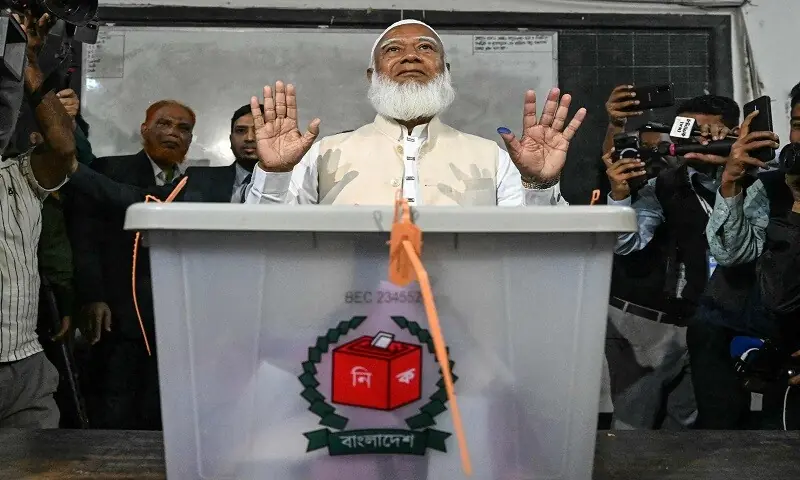
People across Bangladesh stepped out early on Thursday morning, standing in long queues outside schools, government halls, and small temporary booths, waiting for the doors to open. For many of them, this wasn’t just another election day. After the fall of Sheikh Hasina in 2024, driven by a Gen Z-led uprising that spread through cities and villages alike, the nation now finds itself at a crossroads.
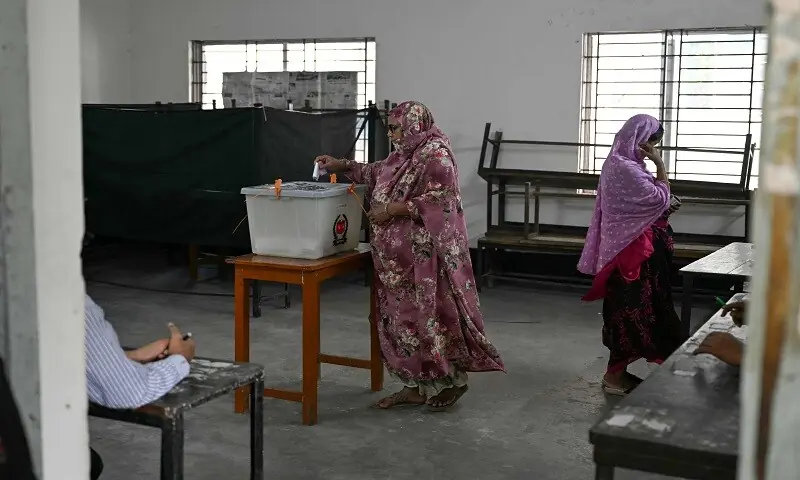
This vote is being watched not only inside the country but across the region. It’s the first election anywhere in the world to follow a successful political movement powered largely by young people under the age of 30. Nepal’s election next month is expected to be similar, but Bangladesh is the first real test of what a post-Gen Z revolution democracy looks like.
A High-Stake Contest Between Former Allies
Two major coalitions are facing off — the BNP and the Jamaat-e-Islami. Interestingly, they were once allies but are now fighting for the upper hand. Polls show BNP slightly ahead. With the Awami League banned and Hasina living in self-imposed exile in India, the race feels more open than at any time in recent memory.
And because ties with India have cooled, China appears ready to expand its influence. That geopolitical layer has added even more weight to this already dramatic moment. Many observers say Bangladesh Faces Powerful Shift, not just politically but in terms of foreign relations too.
The ballot includes more than 2,000 candidates from over 50 parties — the largest number Bangladesh has ever seen. One seat’s voting has been postponed due to a candidate’s death, but the remaining contests are fully active.
Stories From Dhaka: Relief, Hope, and Nervousness
In Dhaka, excitement was visible. Some people reached booths long before the official opening time of 7:30am. Among them was Mohammed Jobair Hossain, a 39-year-old man who hadn’t voted since 2008.
“I feel good today,” he said. “For the first time in years, our votes actually matter.”
His words reflected a larger feeling across the capital. Many were simply relieved to have a chance to participate without intimidation. This everyday confidence, found in small comments like his, is exactly why many believe Bangladesh Faces Powerful Shift this time.
Interim Government Led by Nobel Laureate Yunus
Nobel laureate Muhammad Yunus, who now heads the interim government, has repeatedly said this election is more than just a handover of power. He called it “a constitutional expression of the people’s anger against injustice and inequality.”
His government introduced a national referendum alongside the election. Voters will also decide on:
creating a neutral interim government for future elections,
moving to a bicameral parliament,
greater participation of women in governance,
limiting prime ministers to two terms, and
strengthening the judiciary.
These reforms are far-reaching, and if passed, Bangladesh will be entering an entirely new political phase. In that sense, Bangladesh Faces Powerful Shift is not an exaggeration — it’s a literal description.
A Calm Yet Intense Campaign Period
Surprisingly, the campaign weeks were peaceful. The country has seen enough tension in recent months, and most people didn’t want a return to protests or clashes. Only a few minor incidents were reported. For a country still healing from unrest, this calm itself felt like progress.
But analysts warn that the real test begins after voting closes. The International Crisis Group’s expert Thomas Kean said the credibility of the election depends on fairness and acceptance of results by all sides. If that happens, many believe Bangladesh Faces Powerful Shift toward long-term democratic stability.
Security Arrangements on Election Day
To keep things smooth, more than 100,000 army, navy and air force personnel have been deployed. Close to 200,000 police officers are also on duty. With such a large security presence, the authorities hope to avoid any disruptions.
Polling will close at 4:30pm and counting is expected to continue late into the night. According to Election Commission officials, the first major trends might appear around midnight, with full results likely by Friday morning.
With such massive participation and careful arrangements, many in the country say once again that Bangladesh Faces Powerful Shift.
What Voters Care About the Most
A recent survey showed that corruption and inflation are the two biggest concerns. Rising food prices, lower incomes, and uneven opportunities have made daily life difficult. Many people simply want a government that listens and responds instead of tightening control.
The two prime ministerial candidates — Tarique Rahman of the BNP and Shafiqur Rahman of the Jamaat — represent very different values. They’re not related, but their visions for Bangladesh diverge sharply.
This is why so many voters feel that Bangladesh Faces Powerful Shift no matter which side wins. Some laborers say they cannot travel to their hometowns to vote. Others feel confused because the Awami League is barred from participating. Despite that, a large majority believes their vote still matters.
A driver named Shakil Ahmed shared his frustration. He said he couldn’t vote during Hasina’s rule but wouldn’t miss the chance this time. His story mirrors the motivation many Bangladeshis feel: a desire to reclaim their own voice.
This is another reason the phrase Bangladesh Faces Powerful Shift has become so widely used. It’s the first step in rewriting the future of Bangladesh. From young people leading protests to older citizens finding hope again, the mood is shifting. The vote is not a guarantee of stability, but it is a step — and a significant one.
No matter who wins, one thing is undeniable: Bangladesh Faces Powerful Shift as it tries to rebuild democracy from the ground up.