Ayatollah Ruhollah Khomeini 1 Powerful Shift After Iran’s Turning Point
However, if you are expecting the immediate collapse of the Islamic Republic, you might want to take a closer look at Iran’s deeply entrenched history.
To truly understand this moment, we must look back. When the original architect of the Islamic Republic, Ayatollah Ruhollah Khomeini, passed away in 1989, many Western analysts predicted the system would crumble. It did not. Today, the world finds itself asking the same questions.
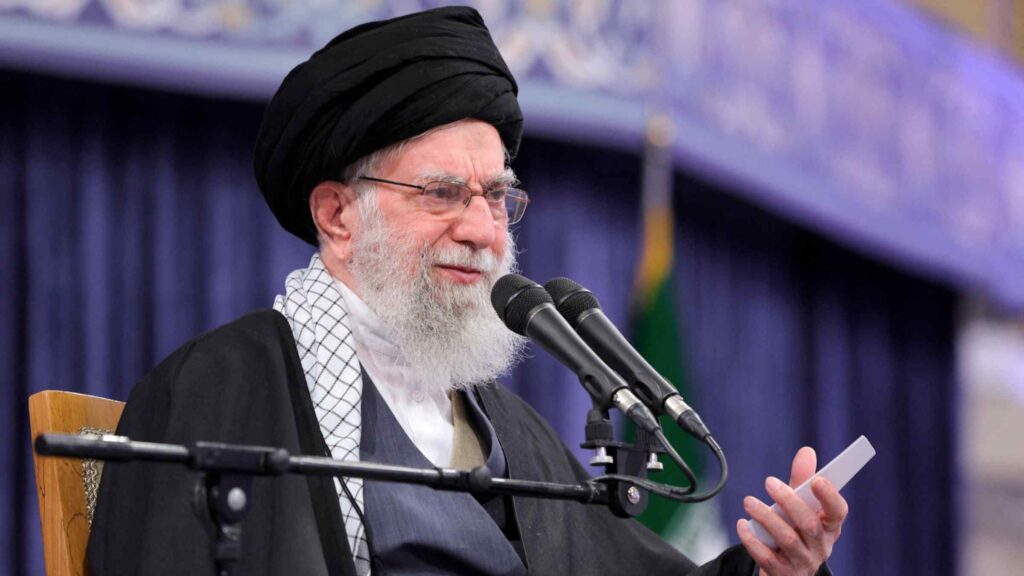
More importantly, as a Marjai Taqleed (a source of emulation in Shia Islamic jurisprudence), his religious legitimacy stretched far beyond the borders of Iran.
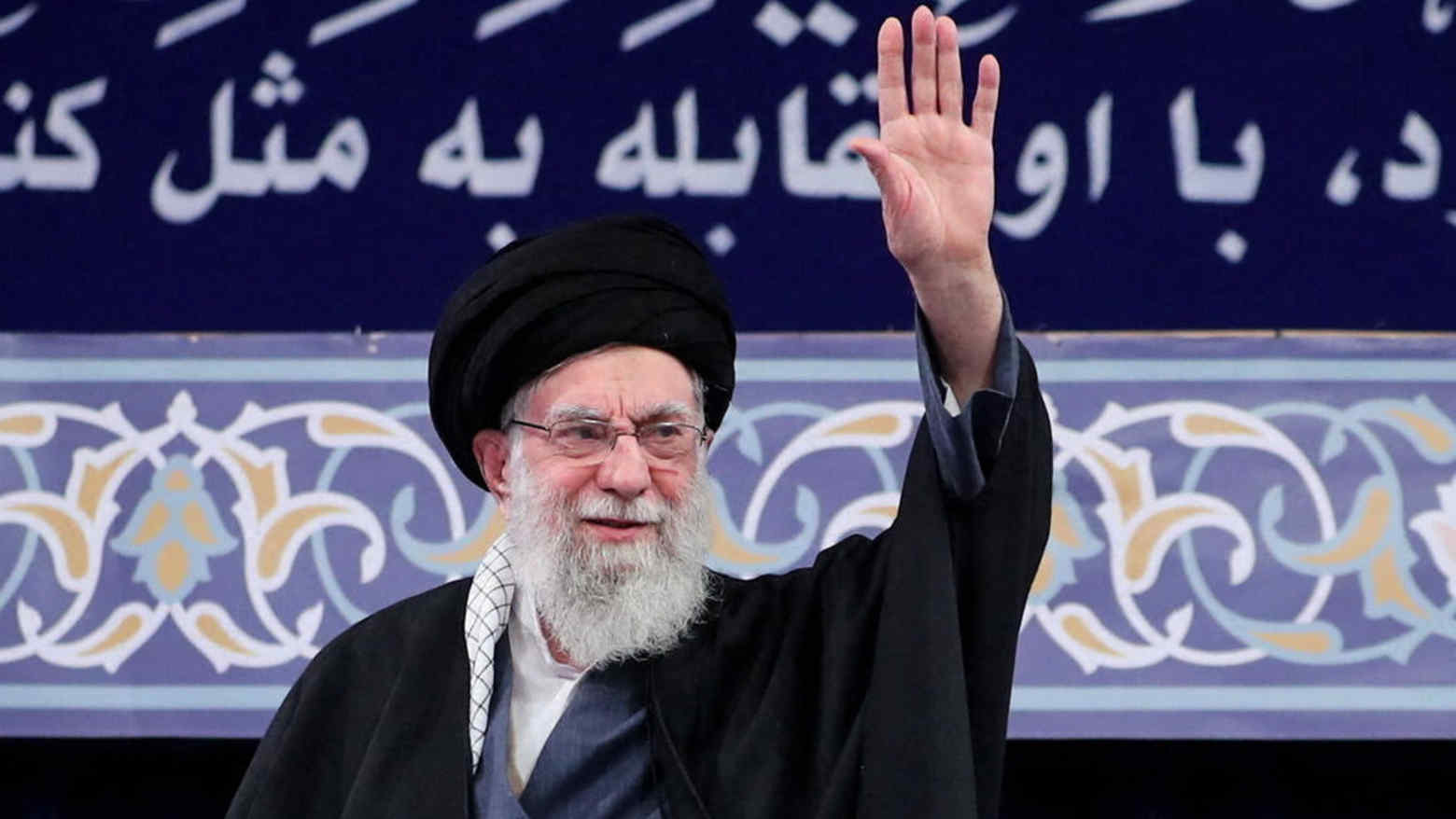
Consequently, his passing creates a massive void that is both institutional and profoundly personal. The system must now find a way to maintain the ideological framework originally set by Ayatollah Ruhollah Khomeini, while simultaneously navigating a heavily modernized, polarized world.
The Succession Crisis: Who Will Step Up?
According to the Iranian constitution, an emergency interim council has already assumed temporary control. This council includes President Masoud Pezeshkian, the chief of the judiciary, and a prominent cleric from the Guardian Council.
Their main job? To keep the country running until the Assembly of Experts can officially appoint a permanent successor. But finding a consensus candidate is proving to be a monumental challenge.
Currently, several high-profile names are circulating within Tehran’s political circles:
Sadeq Larijani: The former judiciary chief and a fiercely loyal aide to Khamenei.
Alireza Arafi: The influential overseer of Iran’s seminaries (and rumored to be the current frontrunner).
Hassan Khomeini: A wildly intriguing candidate, as he is the grandson of Ayatollah Ruhollah Khomeini.
Mohsen Araki & Mohsen Qomi: Both veteran insiders with deep ties to the Supreme Leader’s office.
Interestingly, the late President Ebrahim Raisi was widely considered the absolute favorite before his tragic death in a helicopter crash. Now, the race is wide open, though insider reports suggest contingency plans have been quietly brewing for years.
Institutional Depth: Why the System Won’t Easily Break
It is highly tempting for Western observers to view Iran as a one-man autocracy. But that is a critical miscalculation.
Whether acting as a stabilizing anchor or taking over as the dominant ruling force, the IRGC will do everything in its power to prevent political fragmentation and protect the core values instilled by Ayatollah Ruhollah Khomeini.
Of course, friction is entirely possible. Years of crippling economic sanctions have strained Iranian society, fueling periodic citizen unrest.
How did they respond? Not by retreating. Instead, under the leadership of Ayatollah Ruhollah Khomeini, the state mobilized its society through fierce revolutionary zeal. They rapidly expanded the Basij volunteer forces and successfully adjusted their economy to survive under a total siege.
Furthermore, we cannot forget the infamous Hafte Tir bombing. Carried out by the militant Mujahedin-e Khalq (MEK), this single attack wiped out 74 senior officials in one devastating stroke, including Chief Justice Mohammad Beheshti.
It was a deliberate decapitation attempt. Yet, the system did not unravel. Vacancies were filled overnight, institutions closed ranks, and the revolutionary zeal inspired by Ayatollah Ruhollah Khomeini was dramatically consolidated rather than destroyed.
Moreover, Iran’s extensive network of regional allies—widely known as the Axis of Resistance—is expected to dramatically intensify its asymmetrical attacks. From Hezbollah in Lebanon to the Houthis in Yemen, these groups still deeply revere the original vision of Ayatollah Ruhollah Khomeini.
Ayatollah Khamenei’s death is already being aggressively framed as a holy martyrdom. This is a powerful narrative that resonates deeply within Shia political theology, possessing the potential to mobilize fierce supporters from Iraq all the way to Bahrain.
For Israel, the airstrike may have successfully eliminated a principal adversary, but it has birthed a terrifying new era of unpredictability. Khamenei, despite his implacable opposition to the West, was a highly calculating actor who carefully calibrated his escalations.
A new leadership, desperate to demonstrate strength and resolve, may be far less restrained. Multi-front wars stretching from the Persian Gulf to the Levant are now highly conceivable.
A Strategic Gamble by the West
In Washington, the administration under President Donald Trump has framed this high-stakes assassination as an act of ultimate “justice.” They are promoting it as a golden opportunity for the Iranian people to reclaim their nation.
Therefore, this strategic gamble is astronomically risky.
Conclusion: An Uncertain Horizon
Khamenei’s assassination has violently slammed shut a major chapter in Iran’s modern history. However, it does not automatically open a new chapter that aligns with the specific ambitions of Washington or Tel Aviv.
Instead, it ushers in a dangerous, dark period of global uncertainty. The Islamic Republic is undeniably wounded, but it is not necessarily defeated. The Middle East is now vastly more unsettled and combustible than it has been in decades.
Ultimately, the world is about to learn a very hard lesson: violently removing a single man is incredibly easy, but dismantling the complex political order built by Ayatollah Ruhollah Khomeini is an entirely different battle altogether.