Iran diplomacy targets 1 vital opening for Strait of Hormuz
Global energy markets and diplomatic channels have reignited with activity as international mediators push for a breakthrough in the Middle East. After months of escalating conflict, renewed Iran diplomacy targets the reopening of the strategic Strait of Hormuz to restore international commercial shipping. With the United States pulling back from direct negotiations to maintain an economic pressure campaign, third-party nations have stepped in to bridge the dangerous divide.
A High-Stakes Mission to Tehran
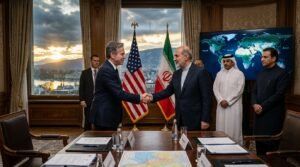
The push for a resolution gained significant momentum on Thursday when Qatari Prime Minister Sheikh Mohammed bin Abdulrahman Al Thani arrived in Tehran. Acting as a crucial regional bridge, Sheikh Mohammed held face-to-face talks with senior Iranian officials. During these high-level discussions, Qatari leaders emphasized the vital need to respect international maritime laws.
Behind closed doors, this refreshed Iran diplomacy targets clear commitments on freedom of navigation through one of the world’s most sensitive chokepoints. Following the meeting, Qatari leadership publicly noted that safeguarding open passage in accordance with international legal standards remains paramount for regional stability.
┌─────────────────────────────────────────────────────────────────────────┐
│                     Strait of Hormuz Status Overview                    │
├─────────────────────────┬───────────────────────────────────────────────┤
│ Pre-War Transit Volume  │ ~20% of Global Oil Supply                     │
│ Current Traffic Level   │ Reduced to 5% – 15% of Normal                 │
│ Ceasefire MOU Signed    │ June ( brokered by Qatar & Pakistan )         │
│ Reported Sea Incidents  │ 70 Incidents (19 Seafarer Casualties)          │
│ Primary Mediators       │ Qatar, Oman, Pakistan                         │
└─────────────────────────┴───────────────────────────────────────────────┤
Setting the Terms for Maritime Reopening
In response to diplomatic pressure from regional partners, Tehran confirmed it is preparing a formal set of conditions. Mohsen Rezaei, secretary of Iran’s Supreme National Security Council, stated in a television interview that Iran is actively drafting its requirements.
As these negotiations evolve, Iran diplomacy targets an operational agreement with neighboring Oman regarding regulated shipping lanes. Under proposed arrangements, commercial vessels would navigate through designated central channels spanning both Iranian and Omani waters—provided key conditions are met by Washington.
                 [ Pre-War Status: Open International Transit ]
                                      │
                                      ▼
           [ U.S. / Israel Conflict Begins -> Iran Threatens Strait ]
                                      │
                                      ▼
       [ Traffic Drops to 5-15% | 70 Incidents | Oil Prices Surge ]
                                      │
                                      ▼
        [ Qatar & Oman Intervene -> Iran Drafts Reopening Conditions ]
Potential Obstacles to a Permanent Deal
Achieving a lasting arrangement will not be simple. In previous negotiation rounds, Tehran demanded:
-
An immediate end to the U.S. naval blockade on Iranian ports
-
Financial compensation for damages incurred during the conflict
-
Full removal of economic sanctions
It remains uncertain whether current Iran diplomacy targets a more flexible set of terms that Washington might find acceptable. Because direct dialogue between Tehran and Washington has stalled into trading aggressive statements, third-party mediators remain the only functional channel.
The Broken June Memorandum and Economic Strain
This current diplomatic push attempts to revive principles from a memorandum of understanding (MOU) brokered back in June by Qatar and Pakistan. That agreement initially established a 60-day window for broader negotiations. However, conflicting interpretations over Iran’s oversight of maritime arrangements caused the deal to collapse, leading the U.S. administration to declare it void just three weeks after signing.
Today, focused Iran diplomacy targets resolving those exact administrative disputes. Reports indicate that Iran’s Revolutionary Guards and Omani officials have agreed in principle on joint traffic management and potential revenue-sharing models, though detailed logistics are still being finalized.
Security Operations and Seaborne Risks
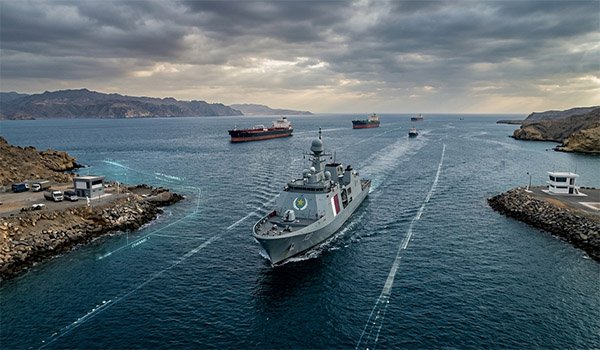
While diplomats negotiate in capitals across the region, naval forces are actively clearing physical hazards from international waters. U.S. military commanders confirmed that naval teams have cleared sea mines previously laid by Iranian forces.
Admiral Brad Cooper, commander of U.S. Central Command, highlighted that American forces have helped escort over 1,500 commercial vessels transporting nearly 750 million barrels of crude oil through the area. Despite these escort efforts, maritime traffic remains drastically reduced. Many commercial ship owners refuse to enter the waterway due to lingering safety concerns. The International Maritime Organization has logged 70 severe incidents in the strait since hostilities began, resulting in 19 seafarer deaths.
What Lies Ahead for Hormuz Diplomacy
As economic pressure mounts globally, structured Iran diplomacy targets long-term solutions to prevent further energy supply shocks. The Strait of Hormuz historically handled 20% of the world’s crude oil supply before the outbreak of hostilities. Restoring safe passage is vital for both Western economies and Asian markets heavily reliant on Middle Eastern oil.
Key international stakeholders hope that active Iran diplomacy targets a balanced middle ground where freedom of navigation is guaranteed alongside verifiable security protocols. Whether Tehran’s upcoming list of conditions provides a viable path forward depends heavily on how third-party mediators present these terms to Washington.
┌─────────────────────────────────────────────────────────────────────────┐
│                      Key Diplomatic Objectives                          │
├─────────────────────────────────────────────────────────────────────────┤
│ • Secure full freedom of navigation under international law             │
│ • Establish a designated central transit channel via Iranian/Omani waters│
│ • Resolve U.S. sanctions and blockade disputes                          │
│ • Clear remaining naval hazards and guarantee commercial safety          │
└─────────────────────────────────────────────────────────────────────────┘
Ultimately, practical Iran diplomacy targets stability in a region weary of conflict. If mediators from Qatar, Oman, and Pakistan can successfully align both sides, normal maritime flow through the Strait of Hormuz could finally resume.