
Pakistan Shocking Nuclear Breakthrough: 3 Key Moves by Munir
Pakistan Shocking Nuclear Breakthrough: Mediation Between Iran and US Intensifies
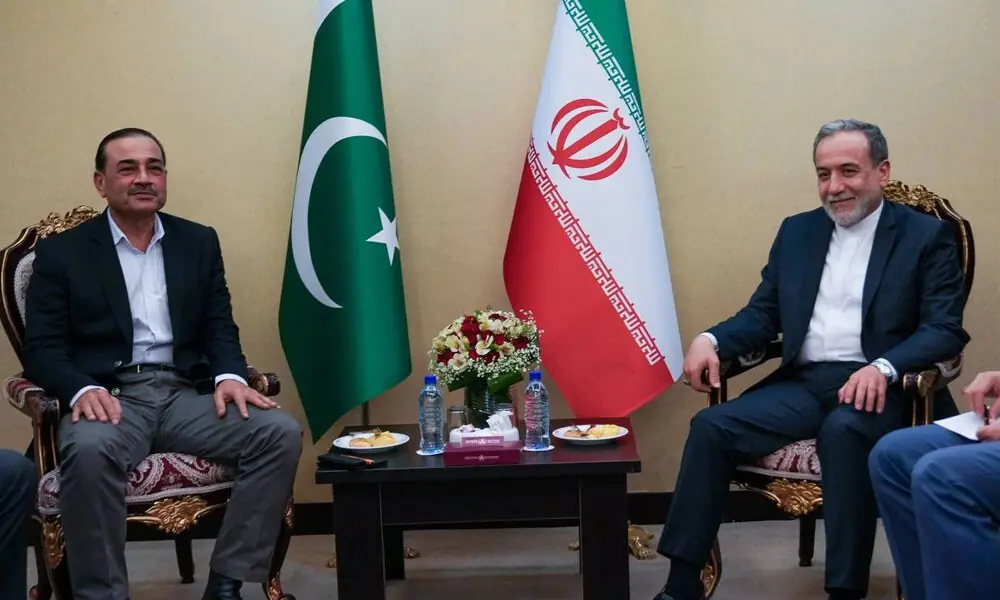
Pakistan has once again stepped into a critical diplomatic role, drawing global attention as it works to bridge tensions between Iran and the United States. Recent developments in Tehran, where Chief of Defence Forces (CDF) and Chief of Army Staff Field Marshal Asim Munir held high-level meetings, suggest that Islamabad may be closer than ever to achieving what many are calling a Pakistan Shocking Nuclear breakthrough.
The meetings took place in Tehran, where Field Marshal Asim Munir met with Iranian Parliament Speaker Mohammad Bagher Ghalibaf. According to Iranian state media, the discussions were directly linked to ongoing negotiations between Iran and the United States. These talks are part of a broader effort to reduce tensions and possibly reach a deal on Iran’s nuclear program — a long-standing issue in global politics.
Pakistan’s Strategic Role in Mediation
Pakistan’s involvement in these negotiations is not accidental. Over the years, Islamabad has maintained balanced relations with both Tehran and Washington, making it a credible mediator. The idea of a Pakistan Shocking Nuclear development is tied to its efforts to create mutual understanding between both sides.
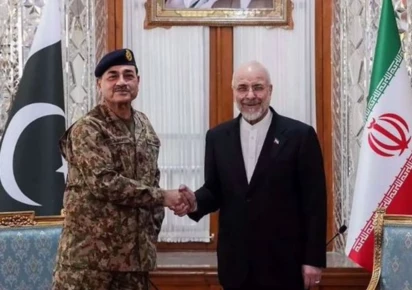
Sources suggest that Pakistan is working actively to facilitate a new round of talks. The aim is to ensure that both parties come to the table with clearer expectations and a willingness to compromise. This is where the possibility of a Pakistan Shocking Nuclear breakthrough becomes significant, as it could reshape diplomatic relations in the region.
Meetings with Iranian Military Leadership
During his visit, Field Marshal Munir also met with Major General Ali Abdollahi, Commander of the Khatam Al-Anbiya Central Headquarters. These discussions focused on regional security and the ongoing conflict dynamics.
Iranian officials appreciated Pakistan’s supportive stance during recent tensions. Abdollahi noted that the conflict emerged due to a “miscalculation” by adversaries regarding Iran’s internal strength and military capabilities. He emphasized that Iran’s defense systems are largely domestically produced and that the country remains ready for comprehensive defense.
This context strengthens the importance of a Pakistan Shocking Nuclear initiative, as any agreement must consider Iran’s strategic confidence and defense posture.
Possible Breakthrough on Nuclear Monitoring
One of the most important developments is the proposal for third-party monitoring of Iran’s nuclear program. According to sources, Iran has shown willingness to accept a framework involving four nations alongside the International Atomic Energy Agency (IAEA).
This proposal is being seen as a major step toward a Pakistan Shocking Nuclear breakthrough. If implemented, it could address long-standing concerns from the United States about transparency and compliance.
Pakistan’s role in proposing this framework highlights its growing influence in global diplomacy. The idea is to create a system that satisfies both Iran’s sovereignty concerns and the US demand for strict monitoring.
To understand how nuclear agreements impact global politics, check this guide on nuclear diplomacy explained
US Demands vs Iran’s Position
Despite progress, significant differences remain. The United States has consistently demanded a long-term suspension of Iran’s uranium enrichment program — reportedly up to 20 years — in exchange for sanctions relief.
Iran, on the other hand, has proposed a shorter suspension period of around five years. Reports suggest that Iran currently holds over 400 kilograms of enriched uranium, which adds urgency to the negotiations.
This gap is where a Pakistan Shocking Nuclear solution could play a decisive role. By proposing a middle-ground framework, such as a 10-year moratorium combined with international monitoring, Pakistan may help both sides reach a compromise.
Ongoing Diplomatic Engagements
In addition to military talks, Pakistan’s Interior Minister Mohsin Naqvi also met with Iran’s Interior Minister Eskandar Momeni. These discussions focused on strengthening cooperation in internal affairs and regional stability.
Such parallel engagements show that Pakistan’s approach is not limited to nuclear issues alone. Instead, it is working on a broader framework of cooperation, which increases the chances of a Pakistan Shocking Nuclear outcome.
Meanwhile, technical teams from the US and Iran are reportedly in constant communication. The goal is to reach what officials describe as a “maximum understanding” before the next round of formal talks.
Potential Visit to Washington
There are also reports that Field Marshal Asim Munir may visit Washington in the coming days to meet with US President Donald Trump. Although not officially confirmed, such a visit could be crucial.
If it happens, it may finalize the groundwork for a Pakistan Shocking Nuclear breakthrough. Direct engagement with US leadership would allow Pakistan to present its proposals and push for acceptance.
This step could transform ongoing discussions into a concrete agreement, possibly turning the next round of talks into a deal-signing event.
A Turning Point in Global Diplomacy
Experts believe that the current situation represents a rare opportunity. Both Iran and the United States appear interested in resolving their differences, provided their core concerns are addressed.
Pakistan’s involvement has added a new dimension to these talks. The concept of a Pakistan Shocking Nuclear breakthrough is not just about nuclear policy — it reflects a shift in how middle-power countries can influence global outcomes.
What Happens Next?
The coming days are expected to be critical. If Pakistan successfully bridges the gap between Iran and the US, it could lead to a historic agreement.
The proposed frameworks — whether a four-nation monitoring system or a compromise on enrichment suspension — will determine the outcome. Either way, the chances of a Pakistan Shocking Nuclear development are higher than they have been in years.
Diplomatic sources remain cautiously optimistic. They suggest that both sides are willing to make concessions, provided the final agreement ensures stability and mutual benefit.
Conclusion
Pakistan’s growing role as a mediator highlights its strategic importance on the global stage. The ongoing talks in Tehran and the possibility of further negotiations in Washington show that serious efforts are underway.
A Pakistan Shocking Nuclear breakthrough could redefine regional politics and ease long-standing tensions between Iran and the United States. While challenges remain, the progress so far indicates that a deal may not be far off.
If successful, this would not only be a diplomatic win for Pakistan but also a significant step toward global stability.


Pingback: Middle East Crisis Powerful 3-Point Call by PM Shehbaz for
Pingback: Pakistan PM Army Chief Bold Push: 5 Moves to Revive US-Iran