
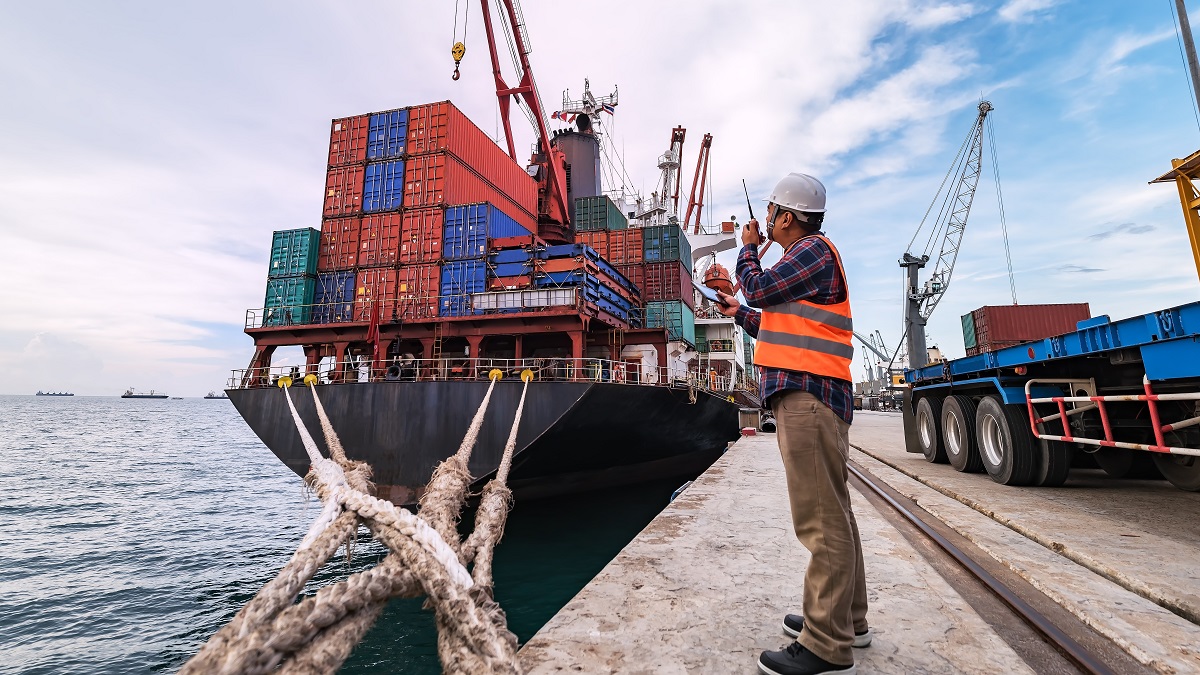
Revolutionary 2-Step Plan Trade Bodies Aim for Resilient Food Supply
The global landscape of food security is shifting rapidly, and Pakistan is taking a proactive stance to shield its citizens from the volatility of international markets and climate-induced disruptions.
In a landmark meeting held in Islamabad this Saturday, Federal Minister for Commerce Jam Kamal Khan joined forces with Romina Khurshid Alam, the Prime Minister’s Coordinator on Climate Change, to blueprint a future-proof agricultural framework. This collaboration marks a pivotal moment where commerce and environmental sustainability are no longer viewed as competing interests but as two sides of the same coin.
A Unified Front: The New Step Plan Trade Bodies Initiative
The primary focus of the discussion was the realization that while food availability in Pakistan remains relatively stable, the twin challenges of affordability and supply chain efficiency are reaching a critical threshold. To combat this, the government has begun implementing a comprehensive Step Plan Trade Bodies strategy designed to streamline the movement of essential goods from farm to fork. The delegation, representing various facets of the nation’s food chain, emphasized that the dairy and food sectors are currently at the mercy of energy price fluctuations and logistical bottlenecks.
During the session, the Step Plan Trade Bodies framework was lauded as a necessary intervention to minimize disruptions in industries that are highly sensitive to fuel costs. Minister Jam Kamal Khan underscored the government’s unwavering commitment to keeping economic activity uninterrupted. He noted that for trade to grow sustainably, the domestic supply chain must be reinforced through better coordination between federal and provincial stakeholders—a core pillar of the Step Plan Trade Bodies approach.
Addressing the Vulnerability of the Dairy and Food Sectors
One of the most striking revelations from the meeting was the extreme sensitivity of the dairy sector to energy “fuelflation.” As diesel prices climb, the cost of refrigeration, processing, and transportation ripples through the market, making basic nutrition less affordable for the average Pakistani family. The Step Plan Trade Bodies initiative seeks to mitigate these risks by promoting smarter energy utilization and encouraging the adoption of renewable energy sources within the processing plants.
Industry leaders pointed out that logistical inefficiencies—such as underutilized trucking capacity—are driving up overheads. By integrating the Step Plan Trade Bodies guidelines, the government aims to optimize freight systems and shift a greater portion of heavy transport to the national rail network, which offers a more fuel-efficient and environmentally friendly alternative to road transport.
Climate Resilience: Integrating Sustainability into Trade
Romina Khurshid Alam brought a vital perspective to the table, stressing that long-term food security is impossible without climate resilience. She argued that the Step Plan Trade Bodies must include “climate-smart” agriculture as a non-negotiable component. This includes resource-efficient farming techniques, reduced wastage at the harvest level, and the promotion of environmentally responsible practices across all industrial sectors.
The Step Plan Trade Bodies mission isn’t just about moving food; it’s about changing behavior. From encouraging energy conservation in factories to reducing the carbon footprint of the logistics fleet, the goal is to create a circular economy where waste is minimized. As part of this Step Plan Trade Bodies vision, special attention is being given to digital supply chain management, which uses real-time data to prevent food spoilage and ensure that surplus produce reaches the areas that need it most.
Public-Private Collaboration: The Path Forward
The meeting concluded with a strong consensus on the need for public-private partnerships. The government cannot solve these systemic issues in isolation; it requires the innovation and agility of the private sector to bring the Step Plan Trade Bodies to life. By fostering a coordinated framework between commerce and climate institutions, Pakistan is setting a regional example of how to maintain economic momentum while honoring environmental commitments.
Stakeholders agreed that policy measures should focus on “efficiency improvements” rather than restrictive regulations. The Step Plan Trade Bodies focuses on providing alternative mobility solutions and enhancing productivity through digital transformation. This ensures that while the country adapts to climate change, the wheels of commerce continue to turn, supporting industry continuity and advancing sustainable economic growth.
Global Context and the Rank Math SEO Perspective
From an SEO and strategic communication standpoint, the “Step Plan Trade Bodies” narrative is essential for informing both domestic stakeholders and international investors about Pakistan’s reform agenda. In a world where supply chains are increasingly fragile due to geopolitical tensions—such as the recent disruptions in the Strait of Hormuz—having a documented Step Plan Trade Bodies provides a sense of stability and foresight.
For those tracking the broader economic implications, this meeting represents a shift from reactive relief to proactive planning. To stay informed on these developments, readers should consult the Official Ministry of Commerce Portal or check the latest Climate Change Adaptation Reports to see how these local efforts align with global sustainability goals.
The Final Verdict: A Resilient Future
The road ahead is challenging, but the alignment of Jam Kamal Khan and Romina Khurshid Alam offers a glimmer of hope. By strictly following the Step Plan Trade Bodies, Pakistan can transform its food supply chain into a resilient engine of growth. The focus on affordability, efficiency, and climate-smart innovation ensures that the nation’s food systems are prepared for the uncertainties of the 21st century.
As the government rolls out the next phase of the Step Plan Trade Bodies, all eyes will be on the implementation phase. Will the transition to rail and digital tracking be enough to offset rising global energy costs? Only time will tell, but for now, the blueprint is clear, and the commitment is firm.