Fuel Rates Explode Govt’s Shocking 3-Step Subsidy Withdrawal
Fuel Rates Explode: Pakistan Faces Historic Price Shock Amid Global Crisis
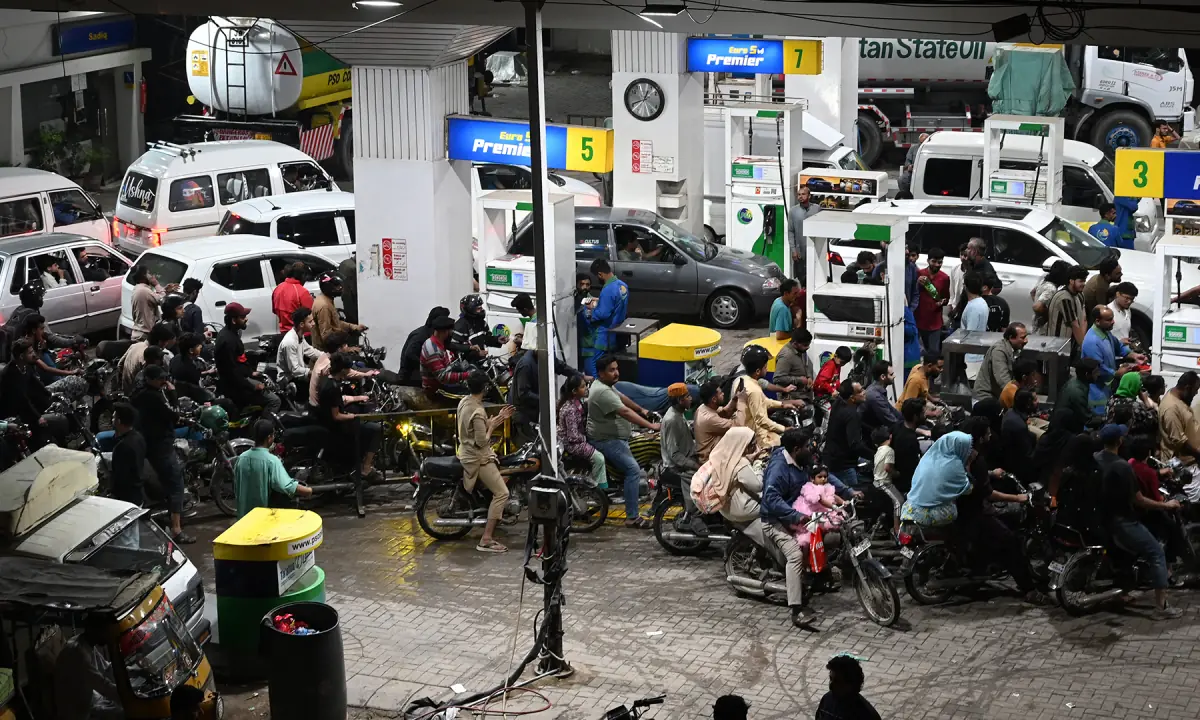
Pakistan is witnessing an unprecedented economic moment as Fuel Rates Explode across the country following the government’s decision to withdraw blanket subsidies. The sudden increase in petroleum prices has not only shocked the public but also raised serious concerns about inflation, transportation costs, and overall economic stability.
The government announced a massive hike in fuel prices, citing global oil market volatility triggered by geopolitical tensions, particularly the ongoing US-Israel conflict involving Iran. This move marks one of the steepest increases in Pakistan’s history, making headlines nationwide as Fuel Rates Explode beyond expectations.
Massive Increase in Petrol and Diesel Prices
Under the new pricing structure, petrol prices have surged by Rs137.23 per litre, reaching Rs458.41 from the previous Rs321.17. Similarly, high-speed diesel (HSD) has seen an even sharper rise of Rs184.49 per litre, pushing its price to Rs520.35. These drastic changes highlight the severity of the situation as Fuel Rates Explode under global pressure.
Kerosene oil has also not been spared, with an increase of Rs34.08 per litre, bringing its price to Rs457.80. This widespread surge across all fuel categories indicates a broader economic challenge rather than an isolated policy shift.
Why Fuel Rates Explode in Pakistan
The primary reason behind why Fuel Rates Explode lies in the sharp increase in international crude oil prices. Reports suggest that oil benchmarks in Oman and Dubai have surged by nearly 80–90%, while diesel prices globally have reached around $250 per barrel.
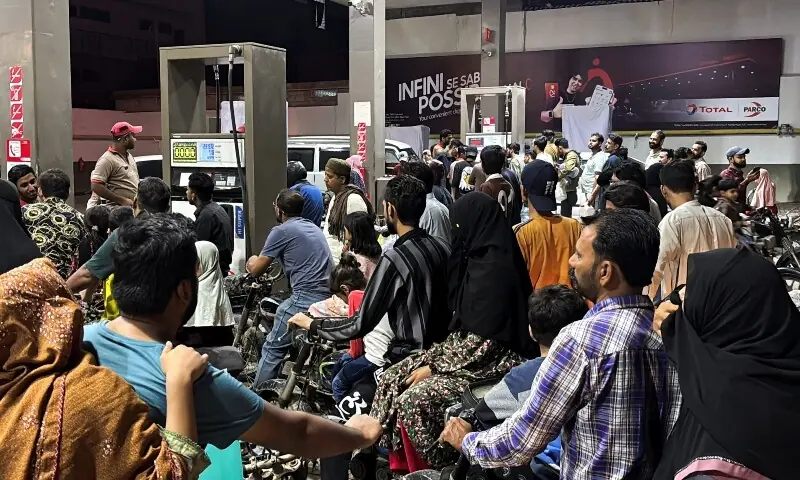
Additionally, Pakistan’s commitment to fiscal discipline under the IMF program has forced the government to reconsider its subsidy policies. Previously, blanket subsidies were used to control fuel prices, but due to limited financial capacity, the government has now shifted to targeted relief.
Shift from Blanket Subsidies to Targeted Relief
As Fuel Rates Explode, the government has introduced targeted subsidies to protect vulnerable segments of society. Instead of providing relief to everyone, the focus is now on bikers, farmers, and transporters.
For example:
- Two-wheeler users will receive Rs100 per litre subsidy (up to 20 litres monthly)
- Small farmers will get Rs1,500 per acre support
- Transport sector will receive fuel subsidies and monthly financial assistance
This strategic shift aims to reduce financial burden while maintaining economic discipline, even as Fuel Rates Explode across the country.
Impact on Transportation and Daily Life
The rise in fuel prices will directly impact transportation costs, leading to increased fares for public transport and higher logistics expenses. Since diesel is widely used in goods transport, the surge means food prices are also expected to rise.
As Fuel Rates Explode, inflationary pressure will likely intensify, affecting everyday items such as vegetables, groceries, and essential commodities. This could significantly impact middle- and lower-income households.
Government’s Strategy to Control Damage
Despite the price hike, the government has taken steps to control the damage. One major decision includes reducing petroleum levy on diesel to zero, while increasing it on petrol to manage the fiscal gap.
Authorities have also introduced energy conservation measures, including early market closures. This initiative is expected to save around 1,200MW of electricity during peak hours.
Even with these efforts, the reality remains that Fuel Rates Explode have already created a ripple effect across all sectors of the economy.
International Pressure and IMF Role
Another critical factor behind why Fuel Rates Explode is Pakistan’s ongoing engagement with international financial institutions, especially the IMF. The government is seeking flexibility in its IMF program to handle emerging global challenges.
Finance officials have highlighted that maintaining economic stability is crucial, even if it means making tough decisions like fuel price hikes. Without these measures, Pakistan risks falling back into a financial crisis.
Global Comparison and Regional Impact
Interestingly, Pakistani officials have pointed out that other countries are facing even worse situations. In some regions, fuel shortages have led to panic buying and law-and-order issues.
While Fuel Rates Explode in Pakistan, the country has managed to maintain supply lines, avoiding complete disruption. This is being presented as a partial success by policymakers.
However, the economic burden on citizens remains undeniable.
Public Reaction and Economic Concerns
The public reaction has been intense, with many expressing frustration over rising living costs. Social media is flooded with discussions about how Fuel Rates Explode have affected daily budgets.
Small businesses, transporters, and farmers are particularly worried, as their operational costs have increased significantly. Even with targeted subsidies, many believe the relief is not enough to offset the impact.
What Lies Ahead?
Looking forward, the government has announced that fuel prices and subsidy programs will be reviewed monthly. This means that if global oil prices stabilize, there might be some relief.
However, if tensions continue and oil prices remain high, Fuel Rates Explode could become a recurring issue in the coming months.
Experts suggest focusing on alternative energy sources, improving fuel efficiency, and reducing dependency on imported oil to avoid similar crises in the future.
Final Thoughts
The current situation highlights the delicate balance between economic stability and public relief. While the government’s decision aims to protect long-term financial health, the short-term impact is clearly painful.
As Fuel Rates Explode, Pakistan stands at a critical point where policy decisions will shape the economic future of the country. The shift from blanket subsidies to targeted support may be necessary, but its success will depend on effective implementation and global market trends.