
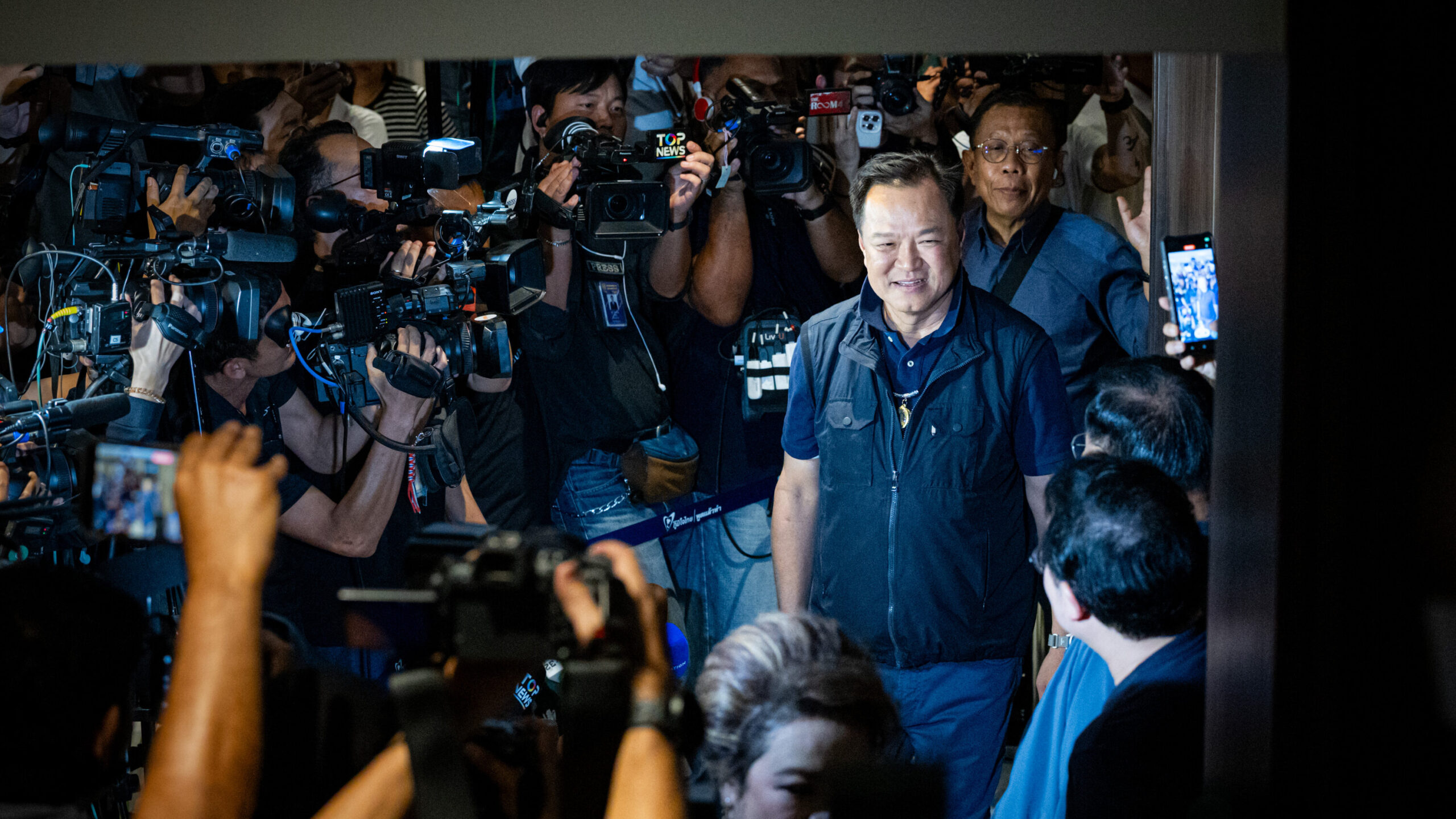
Thai PM Anutin Party Scores Powerful Win as 9 Poll Shifts Signal Election Victory
Thai PM Anutin Party Scores Big Lead as Thailand Heads Toward Coalition Rule
As Thailand moves through another pivotal election cycle, the political landscape is once again shifting. With early and partial results now available, one thing is becoming clearer: Thai PM Anutin Party Scores a strong lead in what is shaping up to be a landmark snap general election. This election has generated intense public interest, a sense of national fatigue, and cautious optimism among Thai citizens looking for stability and change.
A Clear Early Lead for Bhumjaithai
With 30 percent of polling stations reporting early results, the ruling Bhumjaithai Party appeared to be well ahead. As more votes were counted, the trend only strengthened. With nearly 90 percent of polling stations reporting, Thai PM Anutin Party Scores a lead in 194 out of the 500 seats in the lower house of parliament.

These partial results, released by Thailand’s election commission, give Prime Minister Anutin Charnvirakul a promising edge as he aims to form a new coalition government. Although the numbers fall short of an outright majority, they demonstrate enough influence for Anutin to take the central position in upcoming political negotiations.
Despite the incomplete tally, it is already clear that the Thai PM Anutin Party Scores a significant advantage over its competitors—an advantage powerful enough to reshape Thailand’s political direction.
Opposition Acknowledges the Outcome
The progressive People’s Party, expected by many to win a strong plurality, ended up trailing with leads in 115 seats. Meanwhile, Pheu Thai Party—backed by former Prime Minister Thaksin Shinawatra, who was jailed last year—secured leads in 77 seats.
People’s Party leader Natthaphong Ruengpanyawut addressed reporters as results continued rolling in. He admitted, “We acknowledge that we did not come first.” This calm acceptance signaled a rare moment of unity in Thai politics.
Natthaphong also reiterated his party’s principle: recognizing the rightful position of the party that finishes first. He confirmed that the People’s Party would neither join a Bhumjaithai-led coalition nor attempt to form a rival alliance.
With this stance, the Thai PM Anutin Party Scores even more political space to form its preferred coalition without direct interference from its largest opposition group.
Anutin became prime minister last September after former PM Paetongtarn Shinawatra was forced out over an ethics violation. Facing a looming no-confidence vote, Anutin dissolved parliament in December and called for a snap election. That move now appears to have paid off.
Opposition Roadmaps and Voter Priorities
The rival People’s Party campaigned on reforms that would dilute military and judicial influence. They also pushed for breaking up powerful economic monopolies. Their message energized young voters, though it did not secure them first place.
Across Thailand, there was a sense of political fatigue. But as Al Jazeera’s Tony Cheng reported from Bangkok, many voters still appeared hopeful, believing that their participation could produce real change.
And with early results showing how Thai PM Anutin Party Scores significant ground, these hopes may now depend on how effectively the next government delivers.
Constitutional Referendum: Another Critical Vote
The elections weren’t only about parliamentary control. Thai voters also decided whether the country should replace the 2017 military-backed constitution. This charter has long been criticized for centralizing power in undemocratic institutions, especially a powerful senate whose members are indirectly selected.
The election commission’s early count shows public support for constitutional change by almost two to one.
If finalized, this outcome means that the next government will play a major role in drafting a new constitution. With Thai PM Anutin Party Scores a strong position in parliament, his party may heavily influence the direction of constitutional reform.
Political analyst Napon Jatusripitak noted that whichever party wins this election will have “an outsized influence” on Thailand’s future political structure.
What the Election Means for Thailand’s Future
These results show that Thai PM Anutin Party Scores an important political victory, but also reveal the limits of its power. Even with 194 seats, a coalition will be required to govern. That means negotiations, compromises, and careful balancing within a deeply diverse political environment.
Thailand has undergone years of political turbulence, military interventions, and constitutional resets. With this election, the Thai PM Anutin Party Scores a chance to push the country toward stability—provided that the new government listens to public concerns, manages economic recovery, and respects democratic processes.

Pingback: England Pull Off Powerful Escape as Nepal’s Late Charge 5