Pakistan Targets Massive Export Growth, says Finance Min
1 Bold Pivot: Pakistan Targets Massive Export Growth, says Finance Min
The narrative surrounding Pakistan’s economy has, for many years, been one of “crisis management.” We have become accustomed to headlines about bailouts, rising debt, and fiscal deficits.
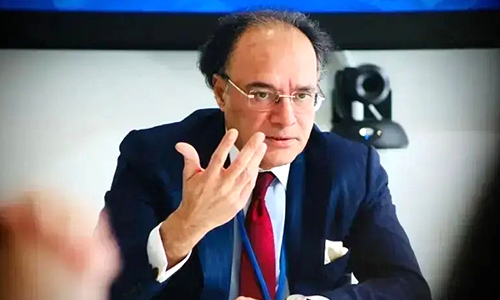
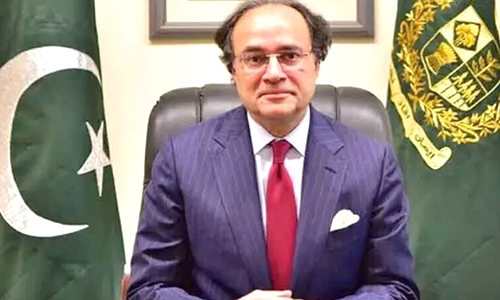
However, according to Federal Minister for Finance and Revenue, Senator Muhammad Aurangzeb, the wind is finally changing. In a recent, wide-ranging interview featured in a special report by USA Today, Aurangzeb laid out a roadmap that signals a departure from the old ways. The core of this new vision is clear: Pakistan Targets Massive Export growth as the primary engine for its future, moving away from a volatile, consumption-driven model.
From Stabilization to Sustainable Momentum
The first step in any recovery is stability. You cannot build a skyscraper on a swamp, and for the last few years, the Pakistani economy felt like it was on shaky ground. Aurangzeb noted that the country has entered the 2025 fiscal year with a “renewed strength.” For the first time in a long while, Pakistan has achieved a rare double win: a primary fiscal surplus and a current account surplus. This isn’t just a win for the spreadsheets; it’s a sign that the country is finally living within its means.
This stabilization was aided by a sharp drop in inflation, which tumbled from a frightening peak of 38% down to single-digit levels. For the average citizen and the global investor alike, this breathing room is essential.
Currently, Pakistan’s IT exports have crossed the $4 billion mark. Aurangzeb believes this is only the tip of the iceberg. He suggested that with the right regulatory clarity and infrastructure, this number could double within the next five years.
As Pakistan Targets Massive Export volumes in the technology sector, the government is focusing on easing the bureaucratic hurdles that have historically stifled startups. By simplifying tax regimes for tech entrepreneurs, the goal is to turn Pakistan into a regional hub for artificial intelligence, data centers, and digital services. This shift is a key part of the “East Asia moment” that the World Bank has recently alluded to.
This isn’t just about digging resources out of the ground; it’s about creating a transparent regulatory framework that protects both the investor and the national interest.
Why Investor Confidence is Returning
Why should an investor choose Pakistan now? Aurangzeb points to “consistency and discipline.”
Facing the Risks Head-On
It would be naive to say the path ahead is without obstacles. Aurangzeb was honest about the risks: global commodity price shocks, external debt pressures, and the ever-present shadow of geopolitical uncertainty. However, the difference now is the level of preparedness. Whether it is working with multilateral partners to improve flood defenses or restructuring the energy sector, the government is playing the “long game.”
As Pakistan Targets Massive Export diversification through IT and textiles, it is also building a “climate-smart” economy. It proves that Pakistan Targets Massive Export goals for 2025 with a level of seriousness we haven’t seen in years. The transition from a consumption-based economy to one that produces and sells to the world is painful, but it is the only way to provide for a rapidly growing population.
Aurangzeb’s invitation to the world is simple: Pakistan is moving from “management” to “transformation.” Whether it’s the $4 billion in IT exports or the $14.5 billion in reserves, the numbers are starting to tell a new story. As the roadmap where Pakistan Targets Massive Export growth becomes more defined, the country is positioning itself to be a key player in the global supply chain.
Conclusion
In the final analysis, Senator Muhammad Aurangzeb’s message is one of cautious but firm optimism. The reforms in taxation, energy, and privatization are the “foundation,” and the export-led strategy is the “building.” By ensuring that Pakistan Targets Massive Export markets with high-quality goods and services, the government is finally addressing the root causes of the country’s economic woes.
For those of us watching from the outside, the shift is palpable. The “Pakistan Special Report” in USA Today is just the beginning of a new chapter. With the right tools, the right reforms, and a bit of global cooperation, Pakistan’s “East Asia moment” might just be around the corner.