Deadly Bondi Assault 2 Gunmen Allegedly Hurled Bombs at Crowd
Brutal Terror: 2 evil Bondi gunmen threw bombs into crowd, files show!
The peaceful salt-air of Bondi Beach is usually a symbol of Sydney’s laid-back lifestyle, but on December 14, it became the backdrop for an unimaginable nightmare. Recently released court documents have pulled back the curtain on a level of premeditated malice that has shaken Australia to its core. We now know that the Deadly Bondi Assault wasn’t just a random act of violence; it was a meticulously planned, ISIS-inspired massacre intended to inflict maximum casualties during a sacred religious celebration.
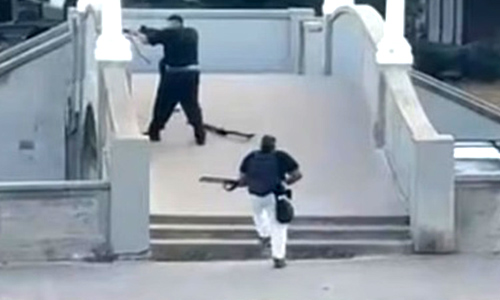
As the Jewish community gathered at Archer Park to celebrate Hanukkah—the Festival of Lights—two men, a father and son, allegedly sought to extinguish those lights forever. The details emerging from the police fact sheet describe a scene of calculated terror that barely avoided being even more catastrophic than it already was.
The Staging Post: From Campsie to Bondi
Every tragedy has a beginning, and for this one, it started in a short-term rental in Campsie. CCTV footage, which feels chillingly mundane at first glance, shows 24-year-old Naveed Akram and his 50-year-old father, Sajid Akram, moving bulky items wrapped in blankets. These weren’t household goods. According to the New South Wales Police Force allegations, tucked under those blankets were shotguns, a rifle, and homemade explosives.
The pair allegedly used a silver Hyundai Elantra as their mobile arsenal. They drove from Sydney’s south-west to the heart of Bondi after 5:00 PM, blending into the evening traffic while carrying enough firepower to mimic a war zone. This journey was the final step in what investigators call the Deadly Bondi Assault, a mission they had been scoping out for at least 48 hours prior.
The Failed Bombs: A Narrow Escape from Greater Horror
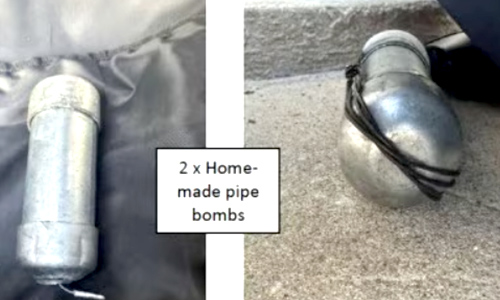
One of the most terrifying revelations from the court documents is the presence of shrapnel-filled bombs. The Akrams allegedly threw three pipe bombs—packed with steel ball bearings designed to shred everything in their path—and a “tennis ball bomb” into the crowd at Archer Park.
| Weapon Type | Details from Fact Sheet |
| Pipe Bombs | 3 thrown, filled with steel ball bearings. |
| Tennis Ball Bomb | 1 thrown into the crowd. |
| Box-like Bomb | Found in the car’s boot. |
| Firearms | 2 single-barrel shotguns, 1 Beretta rifle. |
| Status of Bombs | Viable, but failed to detonate upon impact. |
By some miracle, the pipe bombs did not explode. Despite being “viable” per police analysis, the mechanisms failed. Had they detonated, the Deadly Bondi Assault would likely have seen a death toll far exceeding the current 15 counts of murder Naveed Akram now faces. It is a haunting thought for the survivors: that their lives were spared only by a technical glitch in a killer’s homemade device.
Radicalization and the “Tactical” Training
Why did this happen? The answer lies in a digital trail of radicalization. Police recovered videos from late October showing the father and son training with long-arm guns in a rural NSW location. The footage doesn’t just show target practice; it shows them “moving in a tactical manner,” essentially rehearsing for the Deadly Bondi Assault weeks before it took place.
In one video, Naveed is seen reciting a passage from the Quran in Arabic before switching to English to condemn “Zionists” and outline his motivations. The presence of hand-painted Islamic State flags in their vehicle further cements the investigators’ belief that this was an act of religiously motivated violent extremism. It’s a stark reminder of how deep-seated hate can fester in the shadows, even in a society as multicultural as Australia.
“There is evidence that the accused and his father… meticulously planned this terrorist attack for many months,” the police fact sheet states.
The Heroism and the Aftermath
Amidst the darkness of the Deadly Bondi Assault, stories of incredible bravery have emerged. While the gunmen were allegedly firing into the crowd, individuals like hero tobacconist Ahmed Al Ahmed and survivor Arsen Ostrovsky stood their ground or helped others to safety. These acts of courage are the only things that can begin to heal a community so deeply wounded.
Today, the legal process began in earnest. Deputy Chief Magistrate Michael Antrum made a pivotal decision to suppress the identities of 25 survivors. This is a crucial step in their recovery, allowing them the privacy to process their trauma without the glare of the media spotlight unless they choose to share their stories on their own terms. Meanwhile, Naveed Akram has been moved from a hospital bed to a high-security prison under heavy guard.
A Community in Mourning
Australia hasn’t seen a mass shooting of this scale since the 1996 Port Arthur massacre. The fact that the Deadly Bondi Assault specifically targeted a religious festival during a time of global tension makes it even more poignant. The “Festival of Lights” was met with the ultimate darkness.
Security experts are now looking at the Campie rental discovery—which included a 3D-printed shotgun speed loader and a firearm scope—as a sign of a new, DIY era of terrorism. The Deadly Bondi Assault shows that even “amateur” extremists can cause professional-level devastation if they have enough time and misplaced conviction.
Conclusion: Will We Ever Be the Same?
As Sydney moves forward, the scars of December 14 will remain. The Australian Federal Police and NSW authorities are continuing their investigation into any potential broader network, though currently, it appears the father and son acted as a “lone wolf” cell.
The Deadly Bondi Assault has sparked a national conversation about surveillance, the monitoring of extremist content online, and the safety of religious gatherings. While we cannot change what happened at Archer Park, the resilience of the Bondi community suggests that hate will not have the final word.
The sheer scale of the Deadly Bondi Assault serves as a grim warning: the price of peace is eternal vigilance. We owe it to the 15 souls lost and the dozens of survivors to ensure that such a failure of humanity never happens on our shores again.