
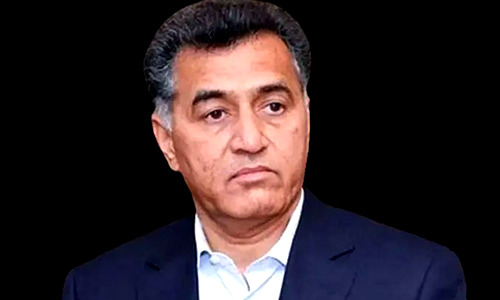
ISPR Ex spymaster Faiz Hameed gets 14-year sentence amid deep turmoil
On Thursday, the Inter-Services Public Relations (ISPR) confirmed that a military court has sentenced ISPR Ex spymaster Faiz Hameed to 14 years of rigorous imprisonment. Unlike what many assume about military justice being swift or procedural, this case moved slowly and deliberately. The military emphasized that all legal requirements were followed and that the accused was given complete access to a defense team of his own choosing.
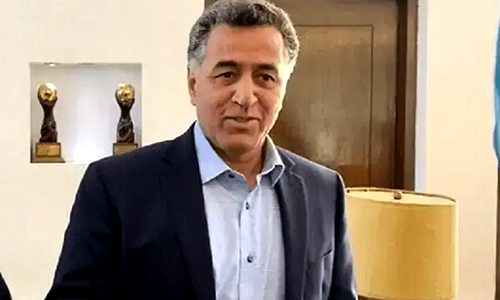
Right to Appeal Stays Intact
The military noted that ISPR Ex spymaster Faiz Hameed has the full right to appeal the verdict. Under Section 133B of the Pakistan Army Act, anyone receiving a jail term longer than three months may appeal within 40 days. This appeal is reviewed by a designated court of appeals headed by the army chief or officers chosen by him.
This means the legal battle for ISPR Ex-spymaster Faiz Hameed is not over yet. In fact, the next few weeks could set the tone for the next phase, whether that leads to a modification, upholding, or further complication of the verdict.
Political Agitation Case Not Closed
One of the most striking parts of ISPR’s statement was a brief but impactful sentence: the involvement of ISPR Ex-spymaster Faiz Hameed in political agitation and coordination with political groups is being handled separately.
This suggests that the ongoing case may extend beyond the four already proven charges. According to the military, these political matters require a different set of inquiries and may lead to additional actions.
To provide contextual depth, many analysts believe this part of the case may actually hold even greater political weight than the charges decided so far.
How the Case Began: Allegations, Arrest, and Indictment
The FGCM process began after a private housing society owner leveled allegations against ISPR Ex spymaster Faiz Hameed, claiming misuse of position and financial misconduct. This broke the long-standing public assumption that senior intelligence officials were beyond the reach of legal accountability.
In December 2024, he was formally indicted on three major charges:
Engaging in political activities
Violating anti-espionage laws
Abusing authority
This formal indictment marked the turning point when a highly classified internal process became a matter of national discussion.
Government Reaction: “A Victory of Truth and Justice”
Following the announcement, Information Minister Attaullah Tarar stated that this verdict was issued after “solid evidence” and complete opportunity for defense. He said the case demonstrated that no one — not even a former intelligence chief — is above the law.
According to the minister, ISPR Ex spymaster Faiz Hameed misused his authority and further investigations into political matters will continue. He called the decision “historic” during his interview with Geo News and highlighted it as an example of strong self-accountability within the army.
Tarar also linked the outcome to the government’s commitment to the rule of law, adding that anyone who crosses the red line will face legal consequences.
Military installations were attacked, and the state’s response was severe. ISPR has repeatedly said that certain influential figures played a hidden role in fueling those events.
In several press briefings, officials hinted that ISPR Ex spymaster Faiz Hameed had a role that required examination. Now, with the court’s decision delivered, attention may turn toward these political investigations.
What Happens Next?
As the appeal process begins, Pakistan will likely witness another chapter in what has become one of the most influential accountability stories in recent memory. Political cases tied to ISPR Ex spymaster Faiz Hameed may resurface, new evidence may appear, and institutional boundaries may be further tested.
What remains clear is that this saga is not over. The military’s internal mechanisms will continue to shape the outcome, and the implications will likely extend far beyond one man. ISPR Ex spymaster Faiz Hameed

Pingback: Trump and Modi in strong warm call but 2025 may end without