IMF report warns of urgent 7 reforms, Senate told in a powerful briefing
IMF Report and Reform Debate: Government Tells Senate Progress Is Underway
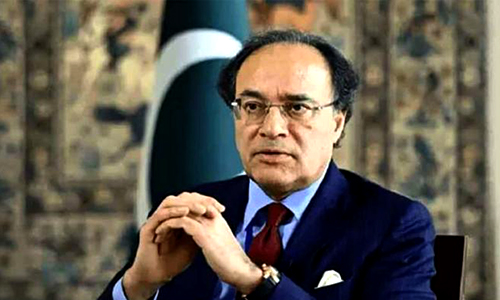
The government has tried to calm concerns in the upper house after the IMF report warns of urgent reforms that Pakistan must tackle to strengthen governance and control corruption. Speaking in the Senate, Finance Minister Muhammad Aurangzeb explained that the IMF’s Governance and Corruption Diagnostic Assessment (GCDA) report was not imposed from outside. Instead, he said the state itself initiated and facilitated the entire process. According to him, the purpose was simple: Pakistan needs institutional reforms, and this report provides a clear direction.
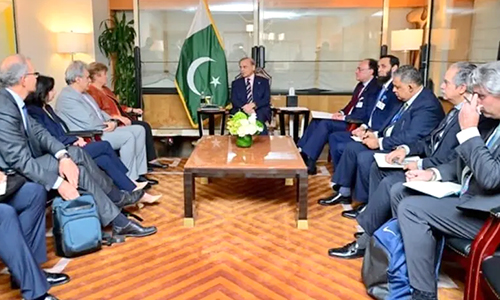
Aurangzeb made his remarks while responding to a motion raised by JUI-F’s Kamran Murtaza. He said the document examined seven major areas, including judicial oversight, corruption vulnerabilities, and gaps in institutional performance. The IMF report warns of urgent structural improvements, but the minister described the assessment as a “positive development” because it outlines practical reforms instead of abstract criticism. In total, the report suggests 15 detailed recommendations to strengthen Pakistan’s governance model.
The minister assured lawmakers that the government has already begun working on these recommendations. He pointed to the recently passed law requiring all public servants to declare their assets, saying it was part of the institutional reform strategy. Aurangzeb also promised that the complete action plan would be shared with both parliament and the public so citizens can see how reforms unfold. As he noted, IMF report warns of urgent reforms for many countries, not just Pakistan, and these diagnostics are widely used by governments to benchmark their governance standards.
Aurangzeb rejected political claims that the government had tried to delay or hide the report. According to him, the timeline stretched only because more than 30 institutions had to submit input, and around 100 meetings were held to ensure accuracy. “I come from the private sector,” he said. “When a report is prepared, it is circulated, reviewed, challenged, and revised. That takes time.” He added that this was exactly what happened here, and there was nothing unusual about the process.
He also dismissed rumours linking the document to the Auditor General’s report or the State Bank of Pakistan’s recent assessments. These, he said, were separate exercises with different scopes and timelines. What matters is that the IMF report warns of urgent improvements that the government must now own, implement, and monitor. He agreed with senators who pointed out weaknesses in governance, capacity gaps in ministries, and the need for remuneration reforms to attract talent. These points, he said, are under review by the Civil Service Reforms Committee headed by Ahsan Iqbal.
Another major point raised during the session was the government’s ongoing effort to digitise the country’s economic systems. Aurangzeb said digitalisation brings transparency, lowers costs, and speeds up processes, making it a central pillar of the reform agenda. He also suggested that the FBR chairman should brief the Senate on the progress made so far toward a digital and more accountable tax system. The IMF report warns of urgent changes in tax administration as well, so this area will receive increased attention in the coming months.
JUI-F’s Kamran Murtaza recommended sending the report to a relevant Senate committee for more detailed discussion. He described the document as a wake-up call that points directly at weaknesses in judicial processes, administration, and overall governance. According to him, when an IMF report warns of urgent areas needing reform, the political leadership must treat it with the seriousness it deserves. He also highlighted that these findings should not be brushed aside or linked to political motives; instead, they must guide policymakers toward genuine improvements.
Climate Change Discussion
Along with the governance debate, the Senate was also briefed on climate-related economic risks. Aurangzeb said climate change is no longer a purely environmental issue — it is now an economic reality for Pakistan. He reaffirmed the government’s commitment to sustainable finance, updated green taxonomy standards, and climate-aligned reporting structures. According to him, Pakistan’s regulatory bodies are quickly adapting to international standards as climate-related threats grow in both frequency and financial cost.
The minister also touched on the importance of helping SMEs adopt proper financial reporting practices so they can participate in green finance initiatives. He said Pakistan is building new institutional frameworks for digital assets and emerging technologies. The idea is to bring innovation into a structured, transparent, and compliant ecosystem, something the IMF report warns of urgent attention toward. By integrating digital tools and ensuring transparency, the government hopes to strengthen trust in the economic system.
Aurangzeb made it clear that institutions can no longer afford slow and outdated procedures. If the IMF report warns of urgent steps to fix governance, Pakistan has to recognize that global financial systems are reforming rapidly — and falling behind is no longer an option. He said the economic future depends on modern regulations, trained professionals, and clean governance structures.
With rising challenges like climate change, digital transformation, and an evolving global economy, the political leadership must work with administrative institutions to create sustainable solutions.
Before concluding, the minister reiterated that transparency is the foundation of the reform agenda. By digitising core economic systems, enforcing asset declarations, strengthening regulatory bodies, and improving governance, Pakistan can address the vulnerabilities the IMF report warns of urgent action on. He emphasised that the entire reform process will be open to parliament and public review, ensuring accountability at each stage.