
Pakistan Gaza Peace Deal Leads 5-Nation Powerful Drive
Pakistan Gaza Peace: Dar Attends Arab-Islamic FMs Meet in Istanbul
ISLAMABAD:
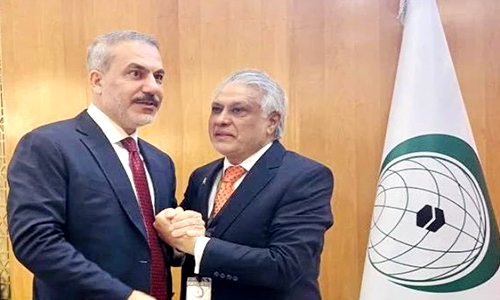
Pakistan has once again stepped up its diplomatic role in the Middle East peace process. Deputy Prime Minister and Foreign Minister Ishaq Dar is representing the country at the Arab-Islamic Foreign Ministers’ meeting in Istanbul, where efforts to strengthen the Pakistan Gaza Peace initiative are at the center of the talks.
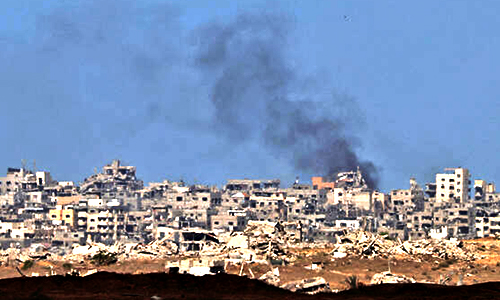
Pakistan Gaza Peace Initiative Gains Momentum
The Istanbul meeting, hosted by Turkiye’s Foreign Minister Hakan Fidan, brings together Pakistan and seven other Muslim-majority nations that earlier backed the Gaza Peace Agreement signed in Sharm El-Sheikh. The focus of the session is to ensure the full implementation of the ceasefire, complete Israeli withdrawal, and unhindered humanitarian aid to Gaza.
According to Pakistan’s Foreign Office, the delegation led by Ishaq Dar will push for long-term regional stability through the Pakistan Gaza Peace framework — which emphasizes justice, reconstruction, and the creation of an independent Palestinian state.
For more details on Pakistan’s foreign policy vision, visit Ministry of Foreign Affairs Pakistan.
Pakistan Calls for Full Israeli Withdrawal
During the Istanbul talks, Pakistan is expected to demand complete Israeli withdrawal from Gaza and other occupied territories, aligning with the 1967 borders. The Pakistani stance underlines that peace in the Middle East is impossible without restoring Palestinian sovereignty and dignity — a point that has been part of the Pakistan Gaza Peace narrative for decades.
Dar’s message is clear: Pakistan wants a viable and independent Palestinian state with Al-Quds Al-Sharif (Jerusalem) as its capital, based on UN resolutions and the Arab Peace Initiative.
Pakistan’s Role in Gaza’s Reconstruction
The Pakistan Gaza Peace process doesn’t stop at diplomacy. Pakistan is also being considered as a potential participant in the proposed International Stabilization Force (ISF) — a multinational Muslim-majority peacekeeping mission for Gaza.
Defence Minister Khawaja Asif recently said that Pakistan’s participation in the ISF is still under review. However, he emphasized that any deployment would only happen under a collective decision and ideally under a United Nations mandate.
Read more about Pakistan’s peacekeeping efforts on UN Peacekeeping Missions.
Pakistan has one of the largest and most respected peacekeeping track records in the world. This experience makes it a credible candidate to contribute to Pakistan Gaza Peace efforts through humanitarian and stabilization support.
Challenges and Diplomatic Balance
Still, Islamabad faces a complex diplomatic test. The Pakistan Gaza Peace policy has to balance its pro-Palestinian stance with the operational realities of working within international frameworks.
Domestically, Pakistan’s people stand firmly with Palestine’s right to self-determination. Any move that seems to align with Western-led strategies could trigger criticism at home. Therefore, Pakistan’s leadership is proceeding cautiously, ensuring transparency and national consensus before making any troop deployment or binding commitment.
Arab-Islamic Unity Over Gaza
The Arab-Islamic Foreign Ministers’ meeting in Istanbul is not just symbolic — it’s a real attempt to show Muslim unity on the Gaza issue. Pakistan’s active participation reinforces its image as a bridge-builder between the Arab world and South Asia.
The Pakistan Gaza Peace platform highlights Islamabad’s long-standing commitment to the Palestinian cause and its desire to transform moral support into meaningful diplomatic and reconstruction efforts.
Explore related coverage on Al Jazeera – Gaza Updates.
The Strategic Turning Point
As Pakistan takes its seat among key regional players, analysts see this as a turning point in its foreign policy. The Pakistan Gaza Peace approach signals a shift from mere advocacy to potential involvement in regional stabilization.
The Istanbul meeting could set the stage for stronger Muslim collaboration in rebuilding Gaza and ensuring that peace is not just a temporary ceasefire but a sustained reality for Palestinians.
Pakistan’s Long-Term Vision for Gaza Peace
In the long run, Islamabad envisions a peaceful, independent, and self-sustained State of Palestine that coexists with dignity and justice. The Pakistan Gaza Peace policy aligns with this vision by focusing on dialogue, diplomacy, and collective action.
Pakistan’s message at every international platform remains consistent: Peace cannot be achieved through force but through fairness and respect for human rights.
Stay updated on foreign affairs via Dawn.com Pakistan News.
Conclusion
The Istanbul meeting shows that Pakistan is ready to play a more proactive role in shaping the Middle East’s future. With the Pakistan Gaza Peace initiative gaining recognition, Islamabad is positioning itself as both a moral voice and practical contributor to regional peace efforts.
If Pakistan successfully balances diplomacy, domestic sentiment, and international cooperation, it could emerge as a key stabilizing force in the Muslim world — marking a new chapter in its foreign policy journey


Pingback: Gaza aid faces bleak shortfall as fierce storms hit and 1