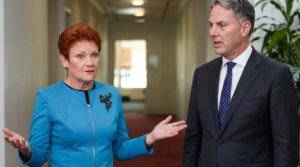

Major Data Leak Exposes World Leaders Phones
Major Data Leak Exposes Politicians’ Private Numbers — Including Trump, Albanese, and Ley
What the Major Data Leak Reveals
A shocking major data leak has exposed the personal phone numbers and emails of several high-profile political figures — including Australian Prime Minister Anthony Albanese, opposition leader Sussan Ley, and even former US President Donald Trump.
The information, allegedly collected by a US-based data company using AI, has sparked serious concerns over digital privacy and cybersecurity.
The company reportedly scraped the internet for private details and made them publicly accessible online. This major data leak has raised alarms within both political and cybersecurity circles worldwide.
Authorities Respond to the Major Data Leak
Acting Prime Minister Richard Marles confirmed that the government is aware of the breach and that authorities have been notified.
“We’ve notified authorities, and that is being worked through, but obviously, there is concern,”
Marles said while addressing reporters at Parliament House.
The Australian government is now investigating how such sensitive data ended up on a public US website and whether local systems were compromised or if the data came from open platforms.
Was LinkedIn Involved?
In early reports, LinkedIn was mentioned as a possible source of the exposed information.
However, the professional networking site strongly denied any breach.
A LinkedIn spokesperson clarified:
“Our policies are clear that third-party companies taking personal data and using it in ways our members did not agree to is prohibited, and these companies are not affiliated with LinkedIn.”
This denial suggests that while the leaked information might have been accessible publicly on profiles, it wasn’t directly hacked or stolen from LinkedIn servers — a key distinction in understanding how this major data leak unfolded.
How the Leak Affects Australian Leaders
A spokesperson for Sussan Ley confirmed that her team learned of the issue through media contact.
They stated that the leaked information could only be accessed through a login system, adding:
“This is obviously concerning, and we have reached out to LinkedIn to understand what occurred here. We are waiting for their response. We have asked the website to remove the information.”
The major data leak also impacted other prominent names, including former Prime Minister Scott Morrison, former Foreign Affairs Minister Julie Bishop, and Donald Trump’s business number.
The Growing Threat of AI-Powered Data Scraping
This incident highlights the dark side of AI technology. While AI tools can collect and organize public data efficiently, they also raise serious ethical and privacy concerns.
In this case, AI was reportedly used to scrape the web for personal contact details — which were then listed publicly without the consent of the individuals involved.
This type of activity not only violates privacy laws in many countries but also damages public trust in how AI-driven platforms handle user information.
Global Reactions and Digital Privacy Concerns
Experts have warned that this major data leak is a wake-up call for both governments and tech companies.
With the rise of automated scraping tools, personal information is becoming easier to harvest than ever before.
Cybersecurity professionals are urging governments to update data protection laws, especially those covering AI systems that collect publicly visible data from the internet.
Protecting Yourself from Data Leaks
While political figures are often the targets of such attacks, ordinary users are also at risk.
Here are some ways to protect your data:
| Step | Action | Benefit |
|---|---|---|
| 1 | Use strong, unique passwords | Reduces chance of brute-force access |
| 2 | Enable 2FA (Two-Factor Authentication) | Adds extra security layer |
| 3 | Avoid sharing personal info publicly | Limits data scraping |
| 4 | Check for data breaches | Monitor if your info is leaked |
| 5 | Use VPN and privacy tools | Hides browsing identity |
Implementing these steps can help prevent your private information from being exposed in future major data leaks.
The Website Behind the Leak
Although the US-based site responsible for this exposure has not been named publicly, sources confirm that it collected data without consent and made it accessible through simple search queries.
Governments in both Australia and the United States are expected to take legal action if the data collection violated international privacy laws.
For readers who want to learn more about global cybersecurity trends and how to protect their information, visit:
🔗 Voice of Australia – Data Security News
Read More: Personal phone numbers of Anthony Albanese, Sussan Ley and Donald Trump published on US website
(This backlink provides updates and detailed reports on privacy issues, including cases like the major data leak affecting world leaders.)
Conclusion: Lessons from the Major Data Leak
This major data leak serves as a reminder that no one — not even world leaders — is completely safe online.
The incident underscores the urgent need for AI regulation, data protection, and stricter privacy controls worldwide.
As technology evolves, so must the laws that protect personal information. The responsibility lies not only with governments but also with companies and individuals to ensure digital safety in an increasingly AI-driven world.