
Pak Kashmir Unrest 5 Deadly Clashes, Calm Ahead?
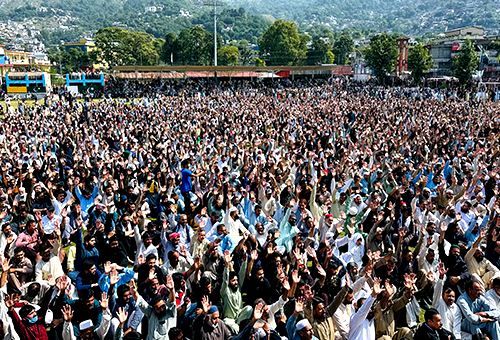
The recent Pak Kashmir Unrest 5 Deadly clashes have once again highlighted the fragile political and social situation in Pakistan-administered Kashmir. Over the course of four days, violent protests left at least nine people dead, including three police officers, and more than 150 injured. Shops, schools, and public transportation came to a halt as anger spilled over into the streets of Muzaffarabad and other towns.
What Happened?
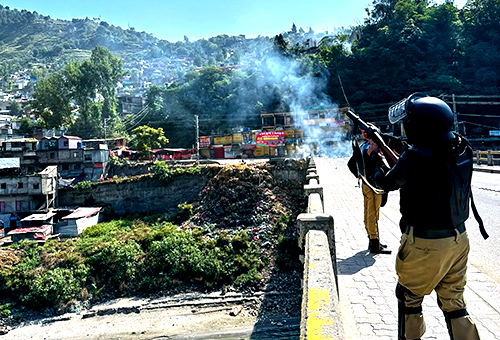
The unrest began when thousands of protesters, led by the Joint Awami Action Committee (JAAC), demanded lower electricity tariffs, electoral reforms, and accountability of local political elites. Rival demonstrations soon converged, resulting in violent clashes at Neelum Bridge in Muzaffarabad.
Police responded with batons and tear gas, while protesters hurled stones and erected barricades. Reports also suggest live rounds may have been fired. The situation escalated quickly, causing multiple deaths and hundreds of injuries.
Quick Facts Table
| Key Point | Details |
|---|---|
| Location | Muzaffarabad, AJK (Pak-controlled) |
| Deaths | At least 9 (3 police officers) |
| Injuries | More than 150 |
| Main Organizers | Joint Awami Action Committee |
| Protest Demands | Subsidies, reforms, accountability |
| Government Response | Financial aid, negotiation panel |
| Internet & Phone Access | Suspended across the region |
Causes of the Unrest
Several factors contributed to the Pak Kashmir Unrest 5 Deadly:
- Rising electricity and fuel costs – soaring utility bills have frustrated ordinary citizens.
- Youth unemployment – jobless young people spearheaded the movement, demanding dignity and opportunity.
- Political privilege and corruption – resentment against elites enjoying privileges while the public suffers.
- Regional military control – decades of heavy military presence have created mistrust among locals.
According to Human Rights Watch, suppression of peaceful dissent often fuels long-term instability.
Government Response
Prime Minister Shehbaz Sharif urged protesters to remain peaceful and ordered the police to show restraint. He also announced financial aid for victims’ families and promised a transparent investigation. Additionally, a high-level committee was formed to negotiate with protest leaders.
The PM stressed that while peaceful protest is a democratic right, public order must not collapse. This dual stance reflects the government’s difficulty in balancing security with civil liberties. Pak Kashmir Unrest 5 Deadly Clashes, Calm Ahead?
International and Domestic Reactions
The unrest quickly caught international attention. In the UK, Kashmiri diaspora groups staged rallies in London and Birmingham to support the movement. Media watchdogs like Reporters Without Borders condemned restrictions on journalists covering the protests.
Meanwhile, Amnesty International called on authorities to restore communication services, highlighting that blackouts worsen panic and misinformation.
At home, businesses, schools, and hospitals remained shut, leaving people struggling to access food and medicine. The disruption of everyday life has deepened frustration and widened the gap between citizens and authorities.
Risks and Possible Outcomes
- Negotiated Settlement – If dialogue succeeds, calm could return, but only temporarily without structural reforms.
- Crackdown and Escalation – Increased force may worsen casualties and fuel long-term resentment.
- Humanitarian Impact – Lack of medicine, food, and communications will worsen suffering.
- Geopolitical Fallout – Kashmir’s disputed status could turn local unrest into an international issue, especially between India and Pakistan.
Experts from BBC note that instability in the region risks fueling wider security concerns across South Asia.
Media Access and Transparency
Independent journalism has been restricted during the crisis. Al Jazeera reported that many journalists were blocked from entering protest areas. This lack of transparency allows rumors to spread unchecked, intensifying fear among residents.
Transparency is vital. Without reliable reporting, the public cannot make informed decisions and accountability becomes nearly impossible.
Recommendations
- Immediate Ceasefire: Both protesters and security forces must stop violence.
- Independent Inquiry: Neutral bodies should investigate the deaths and causes of unrest.
- Restoration of Essentials: Food, medicine, and transport must be made available to citizens.
- Reopen Communication: Internet and mobile networks must be restored to prevent rumor-driven panic.
- Long-Term Reforms: Address unemployment, political privilege, and corruption to prevent recurring unrest.
Conclusion
The Pak Kashmir Unrest 5 Deadly is a wake-up call for Pakistan’s leadership. While short-term negotiations may bring calm, deeper political and economic reforms are the only sustainable solution. The protests reflect decades of built-up frustration over inequality, governance failures, and lack of opportunity. Pak Kashmir Unrest 5 Deadly Clashes, Calm Ahead?
To move forward, the government must engage civil society, respect fundamental rights, and provide fair opportunities to the region’s youth. Otherwise, unrest will remain a recurring reality, not a temporary crisis. Pak Kashmir Unrest 5 Deadly Clashes, Calm Ahead?


Pingback: PM Shehbaz 2-Day Malaysia Visit Big Economic Boost!