Israel Blocks 5th Gaza Flotilla Boat – What’s Next?
Israel Blocks 5th Gaza Flotilla Boat: Global Condemnation and Rising Tensions
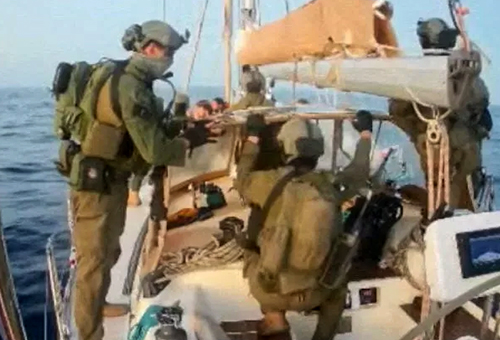
The humanitarian crisis in Gaza has once again taken global headlines after Israel intercepted the final vessel of the Global Sumud Flotilla. The incident has stirred worldwide debate on humanitarian aid, freedom of navigation, and international law. As the Israel Blocks 5th Gaza Flotilla Boat, the focus sharpens on what this means for activists, journalists, and the larger humanitarian effort to bring relief to Gaza.
Background of the Flotilla
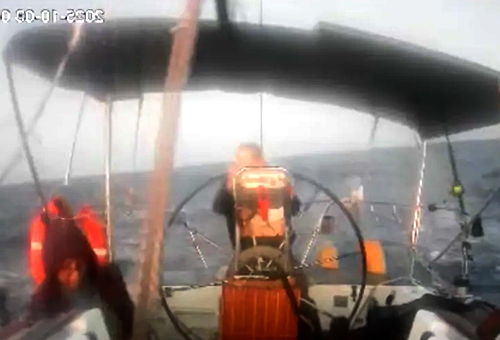
The Global Sumud Flotilla began as a powerful humanitarian mission, consisting of 44 vessels with more than 450 activists from over 40 countries. Its aim was to deliver aid and highlight the blockade of Gaza, which has left millions in dire need of medical and food supplies.
By Friday, only one vessel remained – the Polish-flagged Marinette – which was also seized by Israeli forces. This brought the entire flotilla to a halt, with hundreds of activists, journalists, and politicians detained.
Why Israel Blocks 5th Gaza Flotilla Boat
The Israeli government argues that the flotilla attempted to breach what it calls a “lawful naval blockade” on Gaza, citing security concerns. Israel claims it cannot allow vessels to enter what it designates as an “active combat zone.”
On the other hand, humanitarian organizations and international observers argue that stopping aid boats in international waters is a violation of international law.
This clash of perspectives has escalated global criticism and strengthened calls for accountability.
Key Developments
- Hundreds Detained – Around 461 activists arrested, including high-profile figures like climate activist Greta Thunberg.
- Journalists Arrested – More than 20 foreign reporters were seized, raising serious concerns about press freedom.
- Global Reactions – Leaders from Colombia to Europe condemned Israel’s actions, while protests erupted worldwide.
- Ongoing Hunger Strikes – Several detained activists began hunger strikes to protest their arrest.
Table: Key Facts About the Flotilla Interception
| Detail | Information |
|---|---|
| Number of Vessels | 44 (originally) |
| Last Boat Intercepted | Polish-flagged Marinette |
| Activists Detained | 461+ from over 40 countries |
| Journalists Detained | 20+ foreign reporters |
| High-Profile Detainees | Greta Thunberg, Ada Colau, Rima Hassan |
| Israel’s Claim | Preventing breach of “lawful naval blockade” |
| International Response | Condemnations from EU, Colombia, human rights groups |
Global Response
- Colombia: President Gustavo Petro expelled Israeli diplomats and cancelled Colombia’s free trade agreement with Israel.
- European Nations: Germany, France, the UK, Spain, Greece, and Ireland urged Israel to respect international law and release detainees.
- UN: While still preparing an official statement, UN experts have already described the seizures as violations of international law.
- Human Rights Groups: Reporters Without Borders condemned the arrest of journalists, calling it an assault on press freedom.
Why This Incident Matters
The phrase “Israel Blocks 5th Gaza Flotilla Boat” is not just a headline; it reflects a broader humanitarian and political struggle. Blocking aid missions not only denies supplies to Gaza but also highlights the complex intersection of human rights, military strategy, and global diplomacy.
The flotilla’s seizure has exposed:
- The vulnerability of humanitarian workers.
- The shrinking space for international journalism.
- The political divide between nations over how to respond to the Gaza crisis.
Possible Consequences
- Diplomatic Fallout – As more countries condemn Israel’s actions, international pressure could grow for an independent investigation.
- Increased Activism – Human rights groups and NGOs may organize larger aid missions in response.
- Political Pressure – The blockade’s legality will continue to be debated at the UN and in global courts.
To strengthen SEO for the keyword “Israel Blocks 5th Gaza Flotilla Boat”, you can create backlinks with anchor texts like:
- Global Humanitarian Flotilla Updates
- Press Freedom and Gaza Blockade
- International Law on Naval Blockades
Conclusion
As Israel Blocks 5th Gaza Flotilla Boat, the humanitarian mission has ended in detentions, deportations, and global outrage. This event underscores the fragility of humanitarian aid efforts in conflict zones and the urgent need for international dialogue.
The flotilla’s interception may have stopped aid physically, but it has amplified the world’s attention to Gaza’s suffering. For activists, journalists, and ordinary citizens, this raises one powerful question: how much longer will humanitarian aid be treated as a threat rather than a right?